Shu Lyn's Portfolio

Hi, I'm Shu Lyn.

I'm an instructional designer and L&D project manager with 4+ years of experience in the semiconductor industry. I lead and manage end-to-end e-learning programs, from needs analysis with stakeholders to course design, pilot testing and data-based improvement. I also helped turn internal training into a paid service, with revenue growing 76% in its second year. I hold a Master's in Instructional Multimedia (CGPA 3.87) and work in English and Mandarin.

4+ yearsin training and development
~130courses delivered
2,000+learners in Malaysia and overseas
Portrait of Shu Lyn smiling, wearing a black blazer
Open to new roles

My path so far. Tap a stop.

Get in touch

Let’s create impactful learning journeys together

Back to all work

Virtual Law Library

An interactive course on Section 17A of Malaysia's anti-corruption law, built as a law book learners can open, explore and come back to.

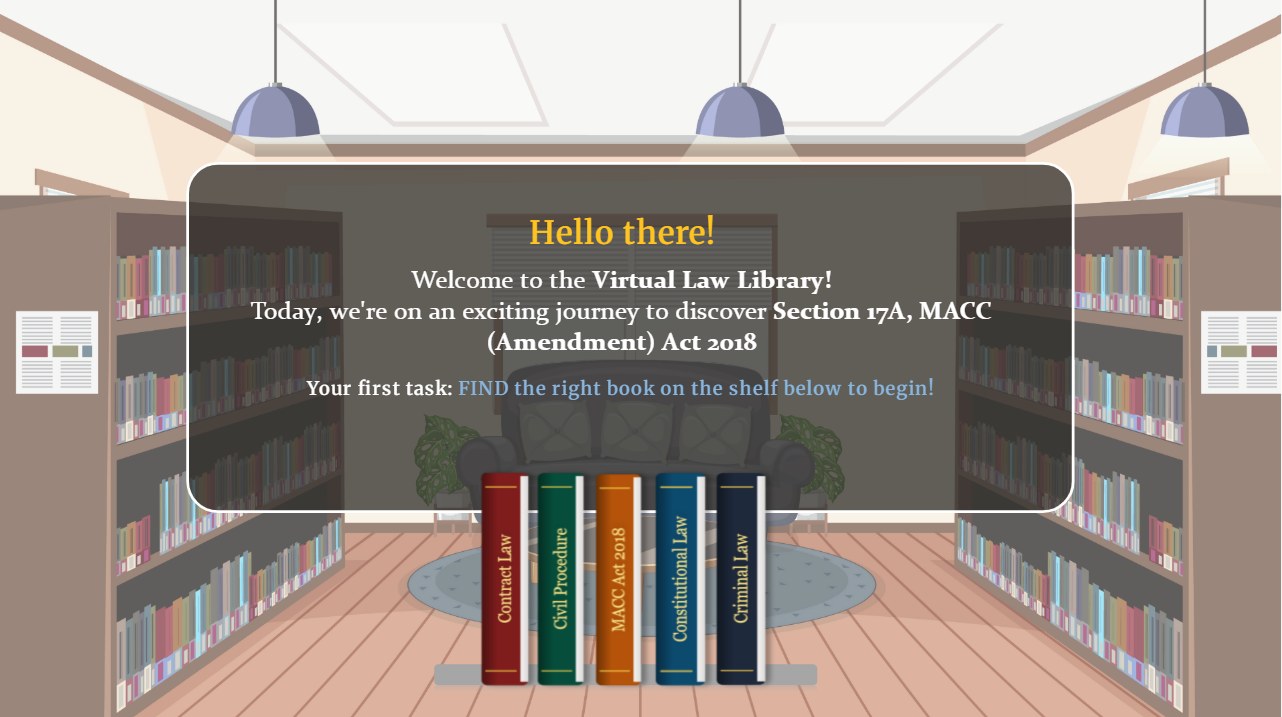
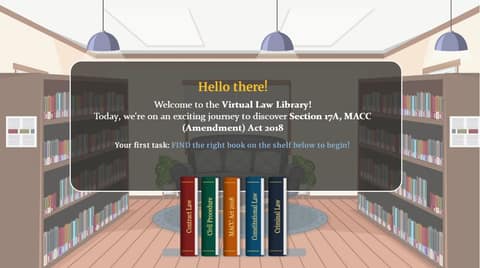
Opening screen: a library with five law books on a shelf
RoleInstructional design, storyboard, Storyline build, Chinese version
ToolsStoryline 360, Canva, Gemini
Audience1,290 employees, including overseas
LanguagesEnglish and Chinese
Headline resultLearners finishing in under 1 minute fell from 57% to 0%

The challenge

The old course was two lecture videos with nothing to click or do, and many learners clicked straight through. The goal: make a heavy legal topic something people actually read, and can look up again later.

Step into the library

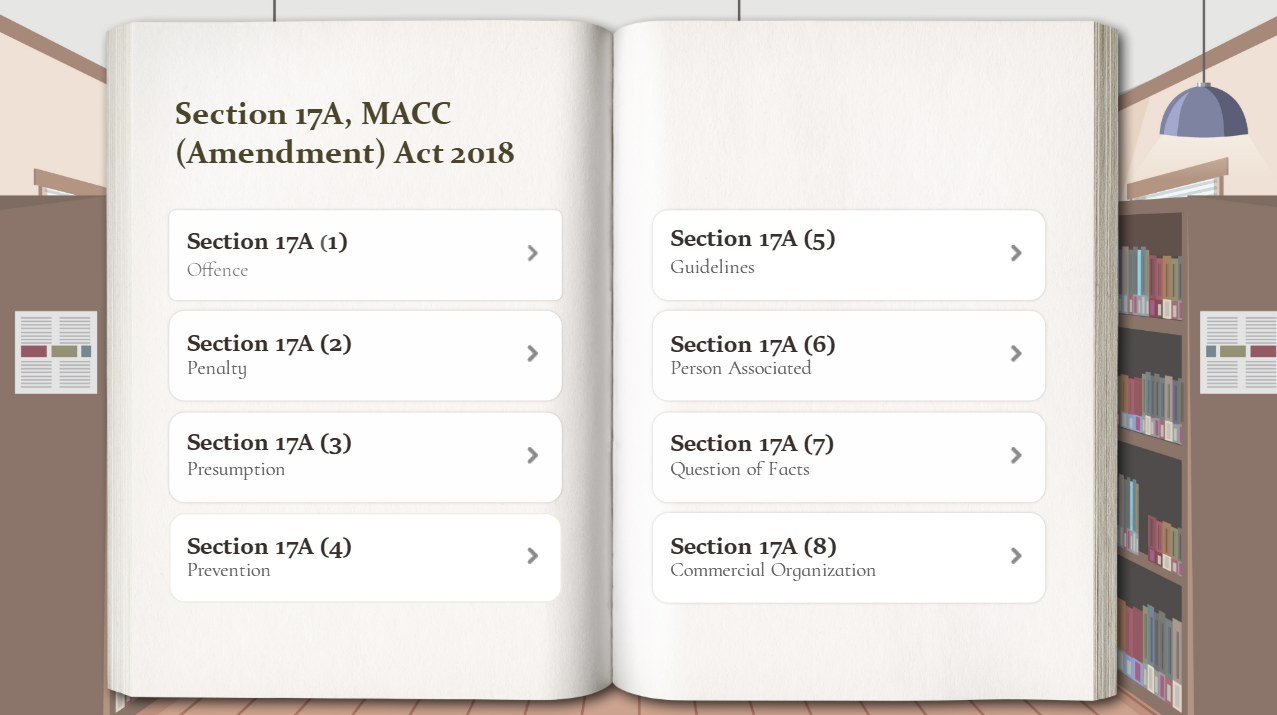
Learners start by finding the right book on the shelf, then open it to a table of contents that jumps to any of the 8 sections.

Table of contents listing the 8 parts of Section 17A

Each section on its own page

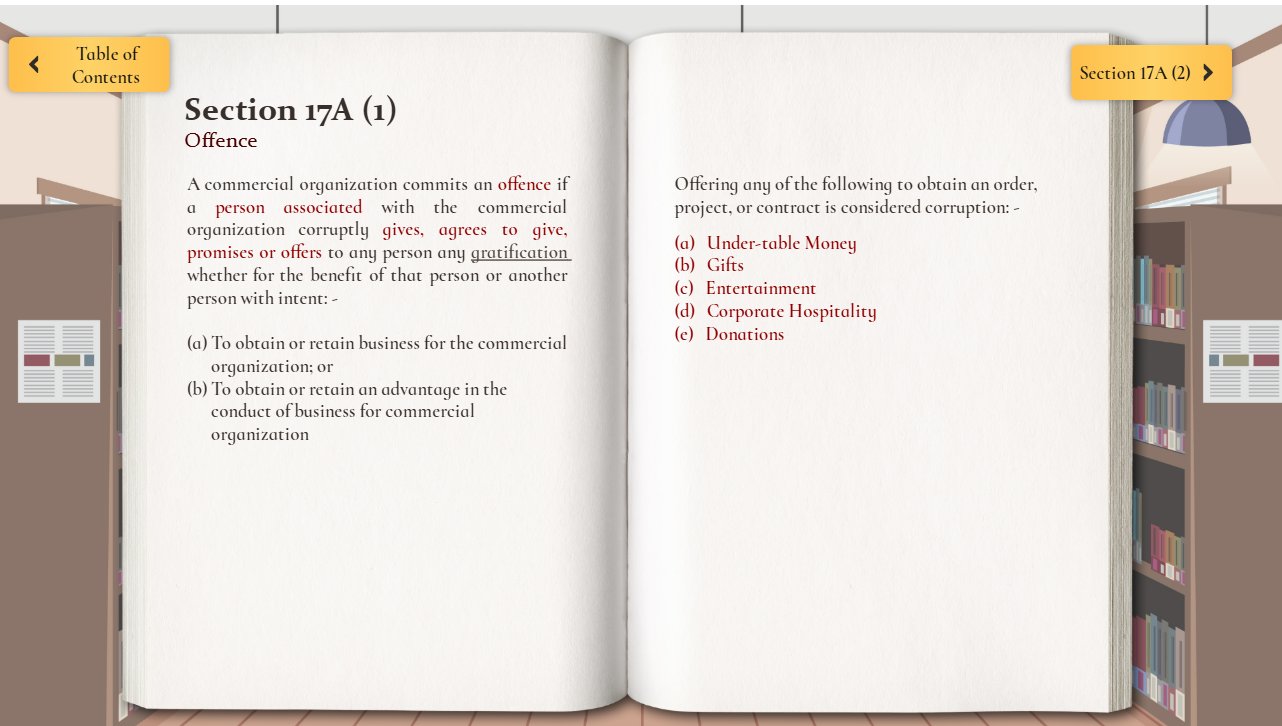
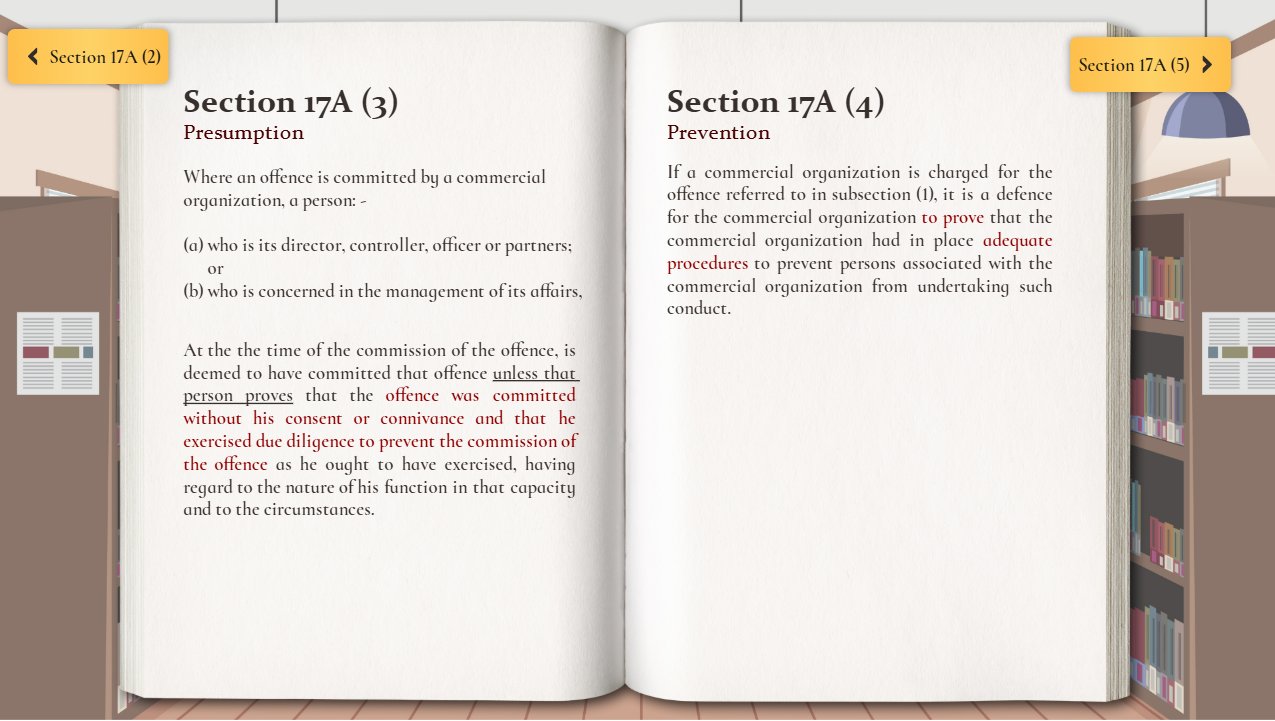
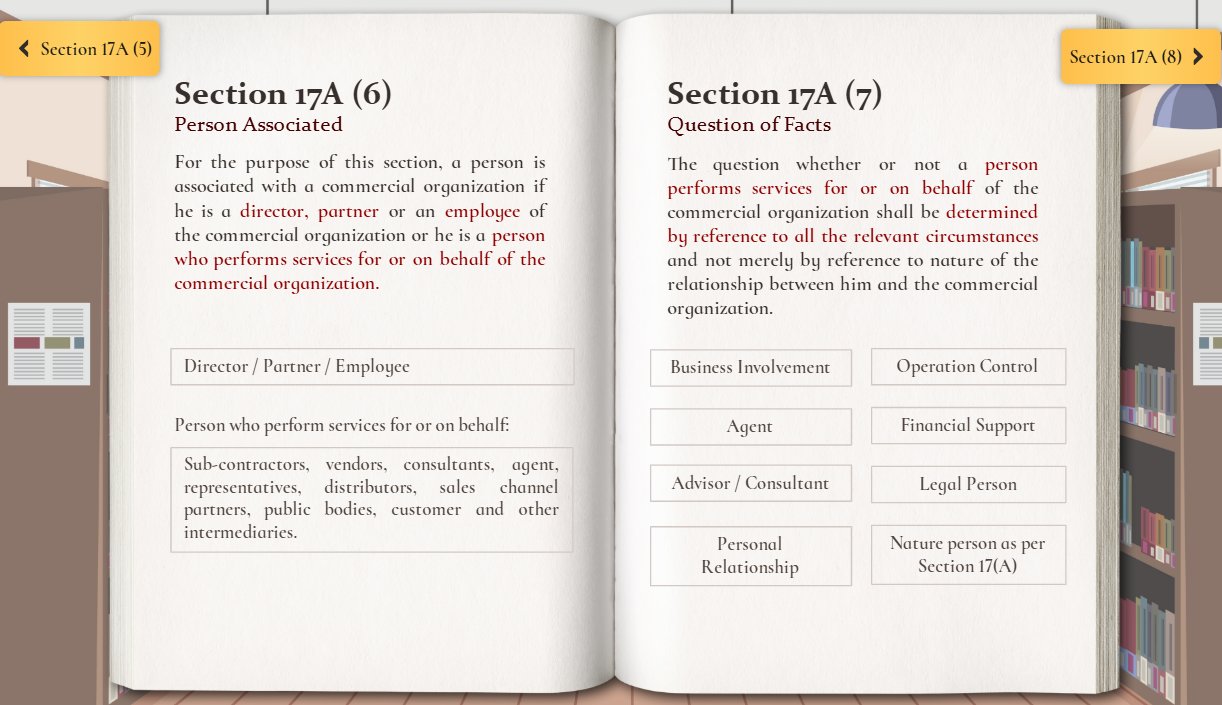
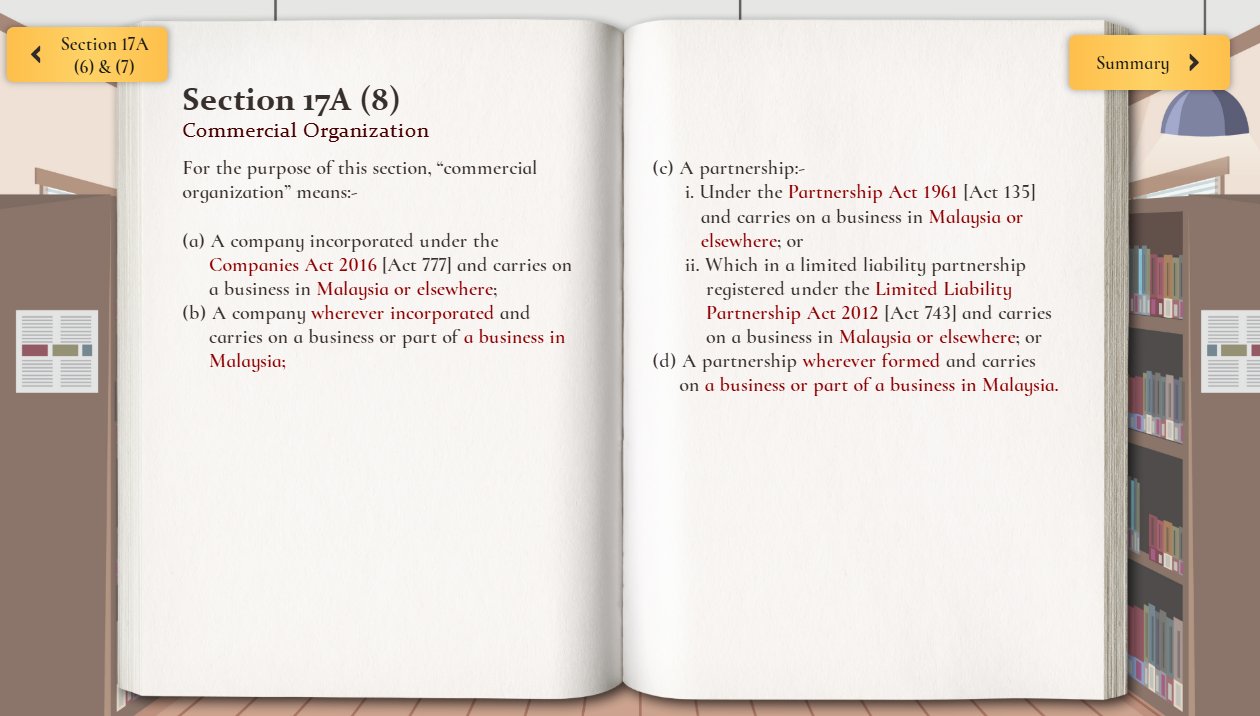
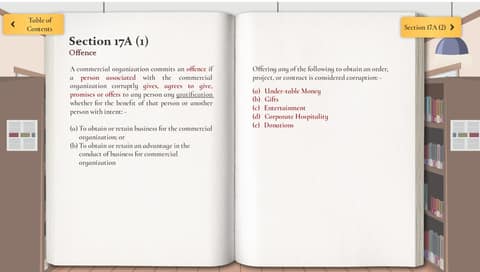
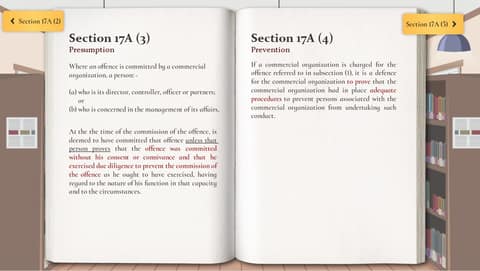
Each section is a two-page spread. Key legal words are bold maroon, so eyes land on what matters.

Section 17A(1): Offence
Section 17A(3) and (4): Presumption and Prevention
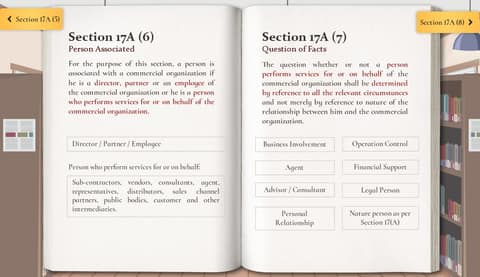
Section 17A(6) and (7): Person associated and question of facts
Section 17A(8): Commercial organisation

Read first, then practice

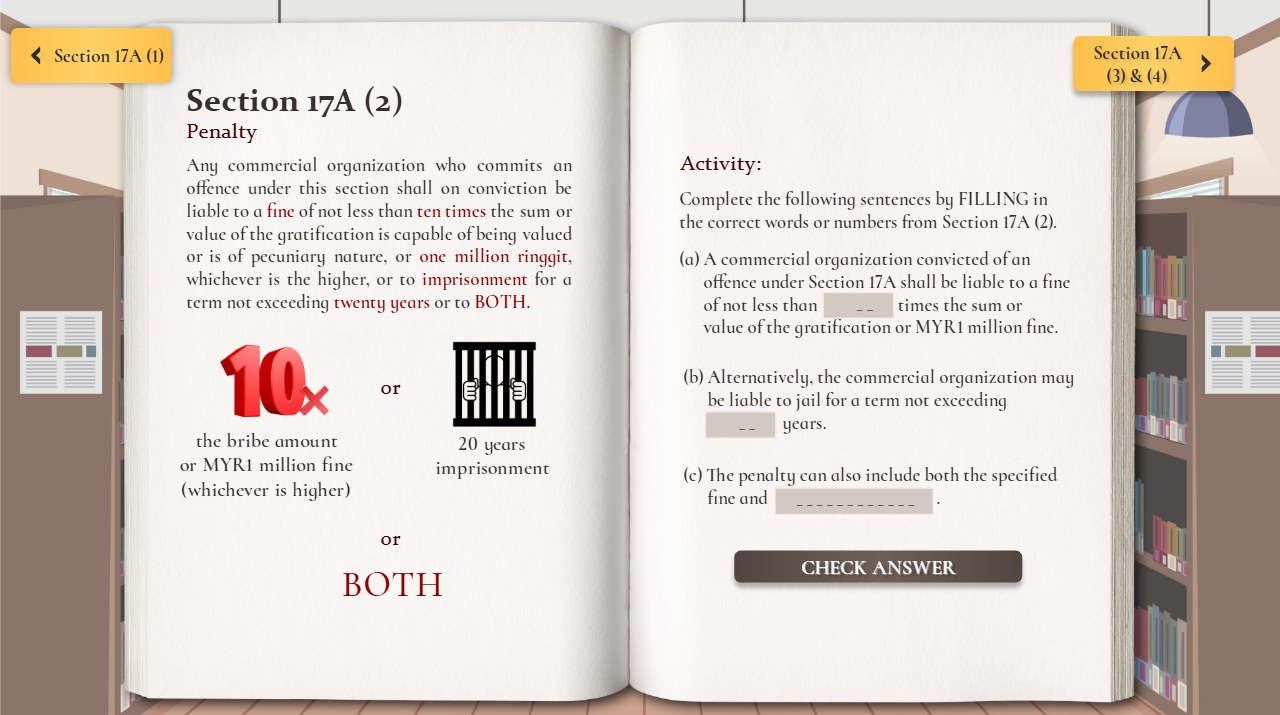
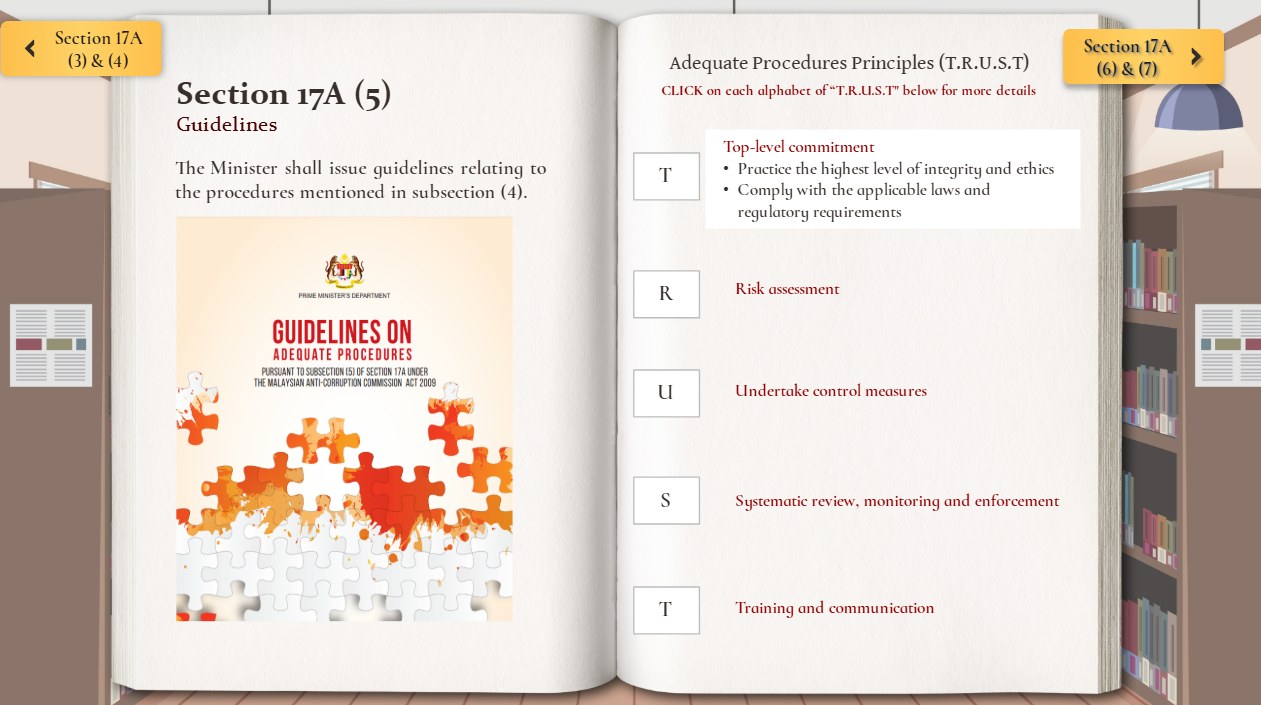
Learners don't just read. They fill in the blanks and check their answers, and click each T.R.U.S.T. letter to open its meaning.

Penalty page with a fill-in-the-blank task
Fill in the blank, then Check Answer
Guidelines page with T.R.U.S.T. letter tiles
Click each letter to reveal it

Style guide

A warm library palette, a statute-style heading font, and two button styles: gold for moving around, dark for checking answers.

Color

Library brown#5C4A3AShelves and background
Page cream#FBF7EEBook pages
Statute maroon#8F0000Key legal terms
Mustard gold#FFC552Buttons
Ink#372F2BBody text
Deep maroon#480000Hover and emphasis

Type

Aa

Playfair Display

Section 17A (2)

Section titles. Looks like a printed law heading.

Aa

EB Garamond

A company commits an offence if a person linked to it corruptly gives or offers any gratification.

Law text, with key terms in bold maroon.

Buttons

Table of Contents Section 17A (3) & (4) CHECK ANSWER

Gold pills move between pages. The dark button is only for checking answers, so it never looks like navigation.

Click to reveal

TTop-level commitment
R
U
S
T

Each T.R.U.S.T. letter opens only when clicked, keeping the page clean.

Planning the pages

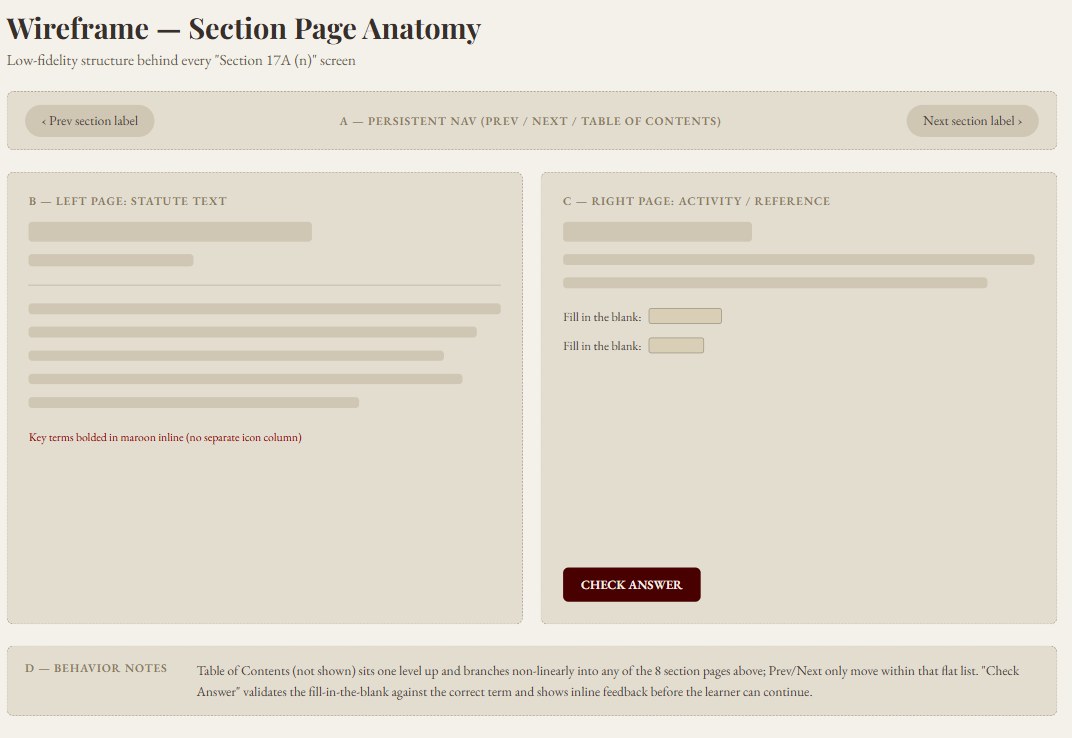
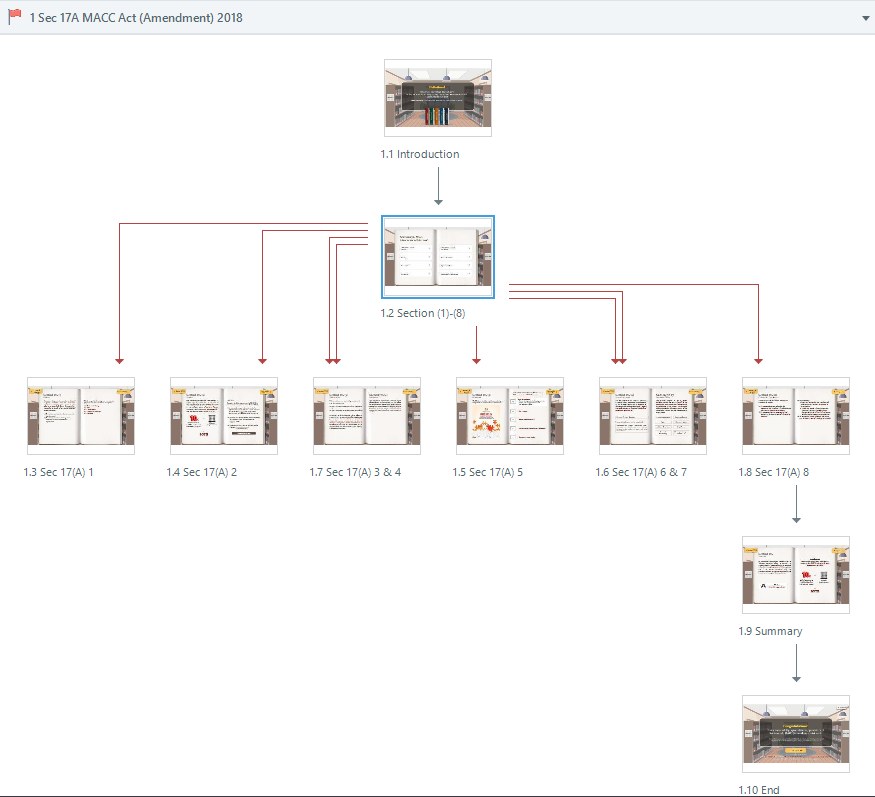
Every section page uses the same layout: law text on the left, a task or reference on the right. The table of contents branches to all 8 sections.

Wireframe of a section page
Section page wireframe
Storyline story view of the course flow
Course flow in Storyline

Built in Storyline 360

  • Jump anywhereThe table of contents links to every section, and page corners turn back and forth.
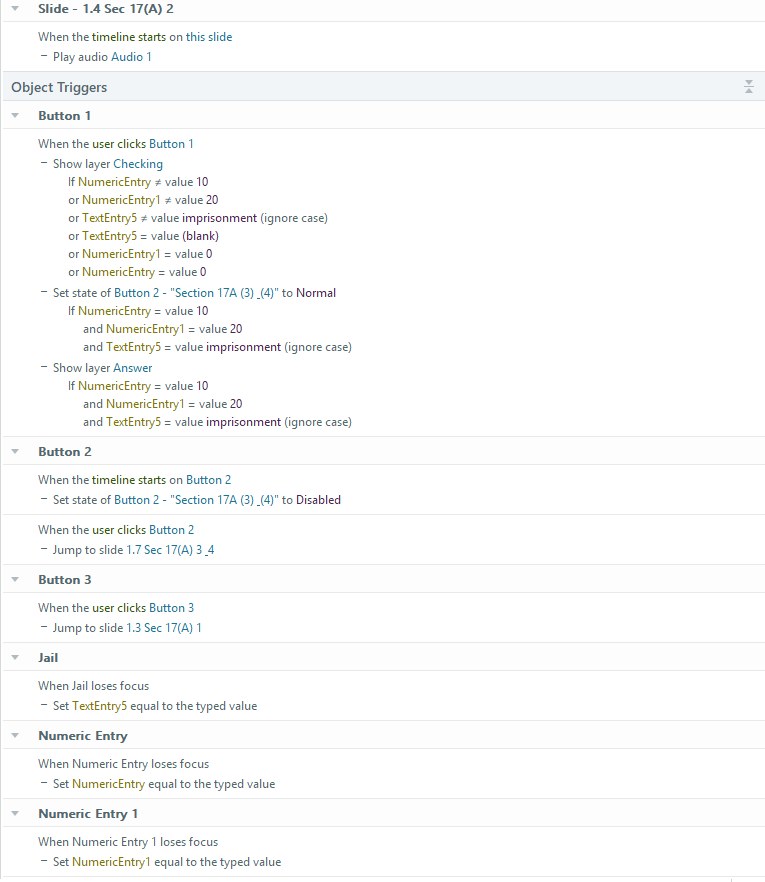
  • Fill in the blankLearners type the answer and get instant feedback.
  • Click to revealEach T.R.U.S.T. letter opens when clicked.
  • Pick the right bookEach book spine can be clicked, with feedback for the right pick.
Storyline triggers and variables for the penalty task

Before and after

Two long videos became one course learners can explore.

Before

Two lecture videos, about 4 minutes each

Module 1: Part I
Section 17A (1) to 17A (4)

One narrated slide deck, watched start to finish

0:00
3:58
  • Watch in order only. No way to jump to one section.
  • Split across two separate videos.
  • Learners could skip ahead without taking anything in.

After

One interactive law book, at their own pace

Table of ContentsSection 17A (3) & (4)

Section 17A (2)

Penalty

10×or20 yrs

Activity

Fine of not less than times

Jail up to years

Or

CHECK ANSWER
  • Jump to any of the 8 sections, any time.
  • Both videos merged into one 8-section course.
  • Fill in the blanks and check answers to move on.

The result

Learners stopped clicking straight through.

Finished the next module in 1 minute or less

Before57.1%

After0%

Finished in 3 minutes or less

Before66.3%

After0%

Median time to finish the next module

Before34sec

After16.8min

Same measure both years, from the learning platform's completion records. 1,220 learners before, 1,290 after.

How the course ends

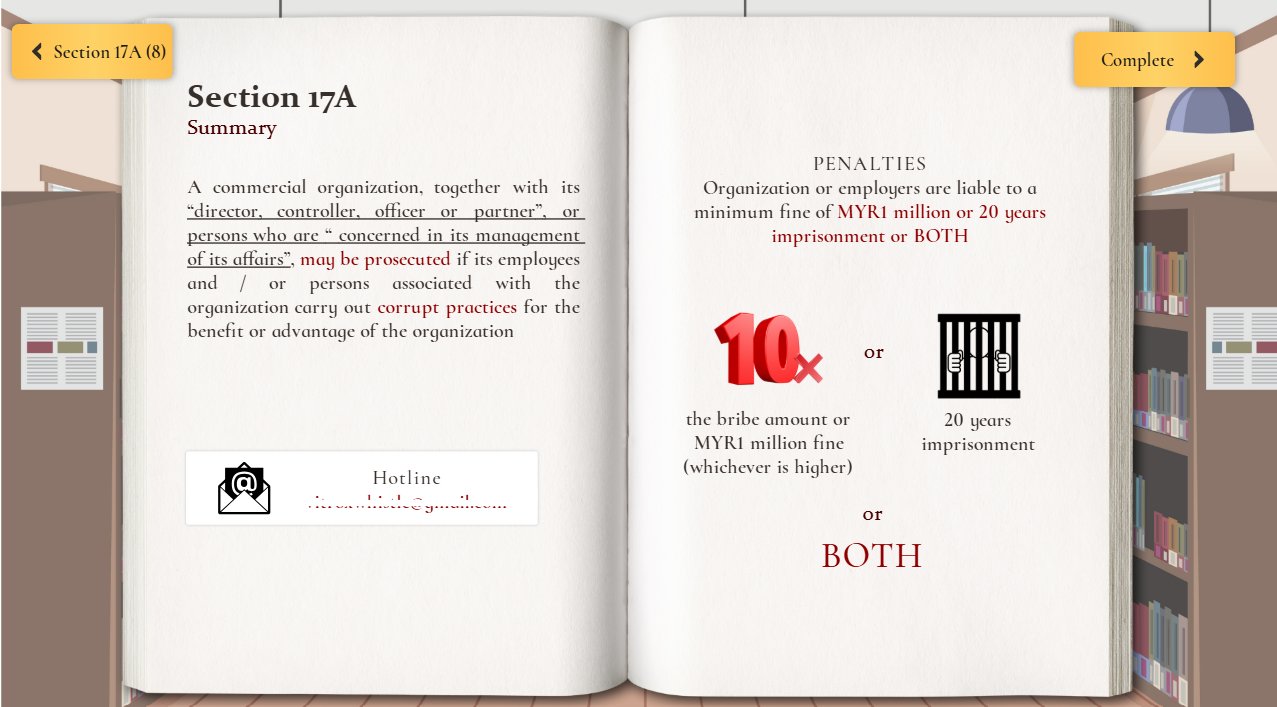
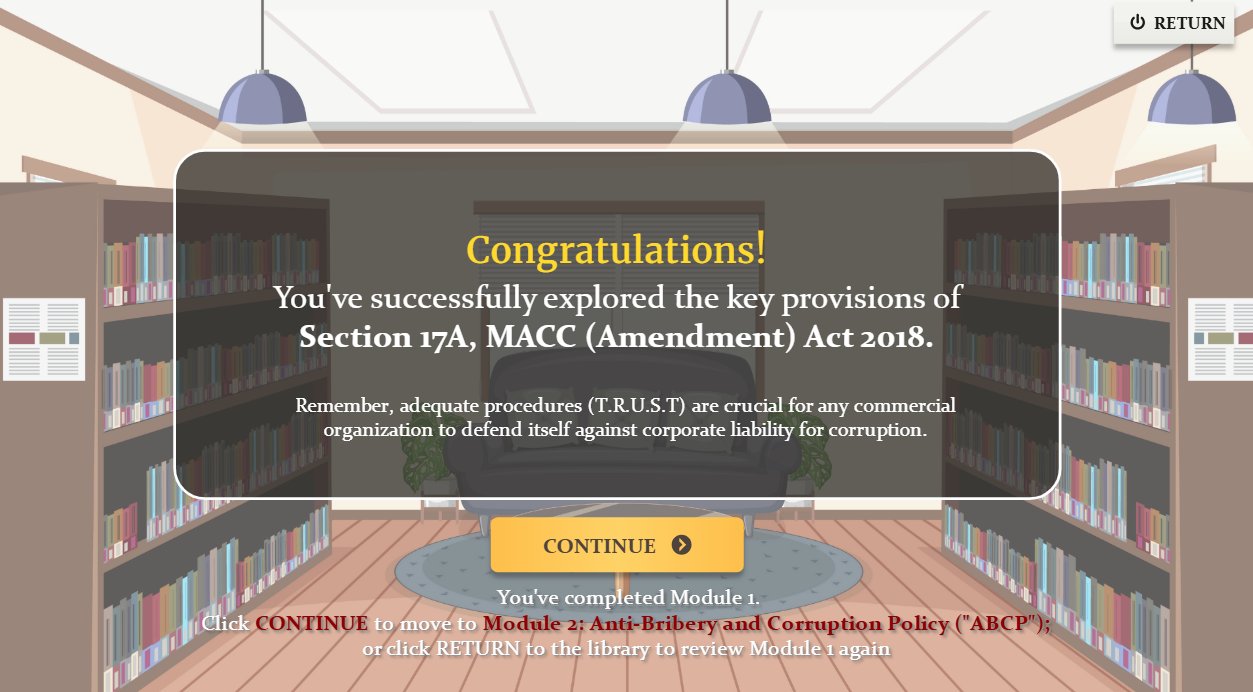
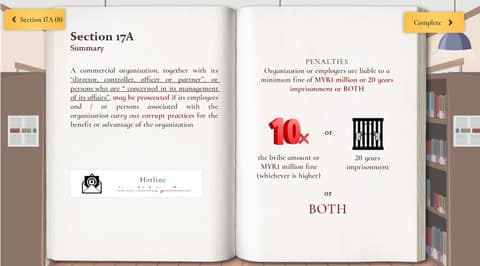
A one-page summary with the penalties and the whistleblower hotline, then a finish screen that leads to the next module.

Summary page with penalties and hotline
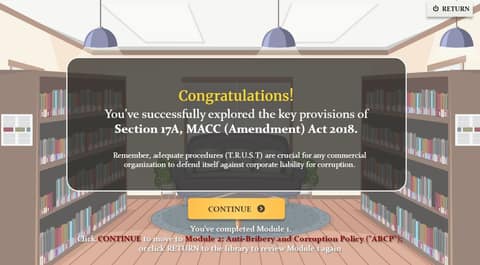
Congratulations screen at the end of the course
Back to all work

The Integrity Challenge

Crack the Code

An escape-room game on the Code of Conduct. Learners crack a vault by making the right call on real ethical dilemmas, then race a countdown timer.

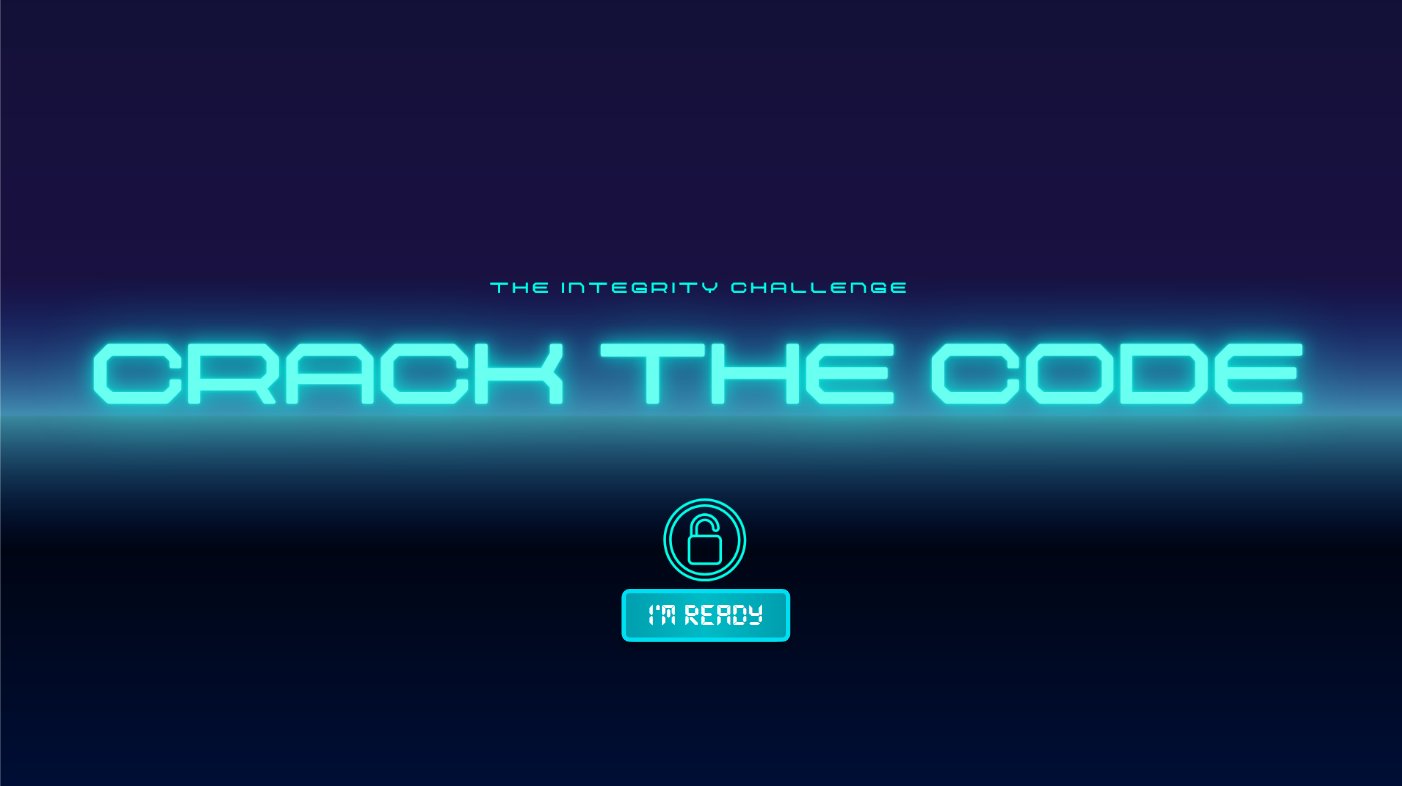
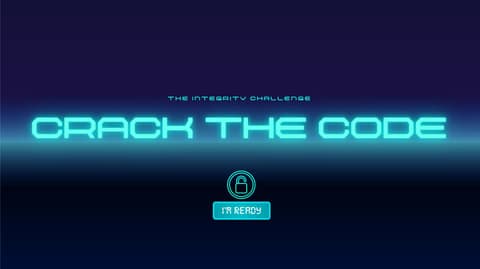
Title screen: Crack the Code in glowing cyan letters with an I'm Ready button
RoleInstructional design, storyboard, Storyline build, Chinese version
ToolsStoryline 360, Canva, Gemini
AudienceAll employees, including overseas
LanguagesEnglish and Chinese

The challenge

The old lesson on dealing with third parties was a narrated video over one crowded slide: 10 types of third party and four policy points, all squeezed onto one screen. Learners were told the rules but never had to use them. The goal: make them practice the decision, not just hear the list.

Open the vault

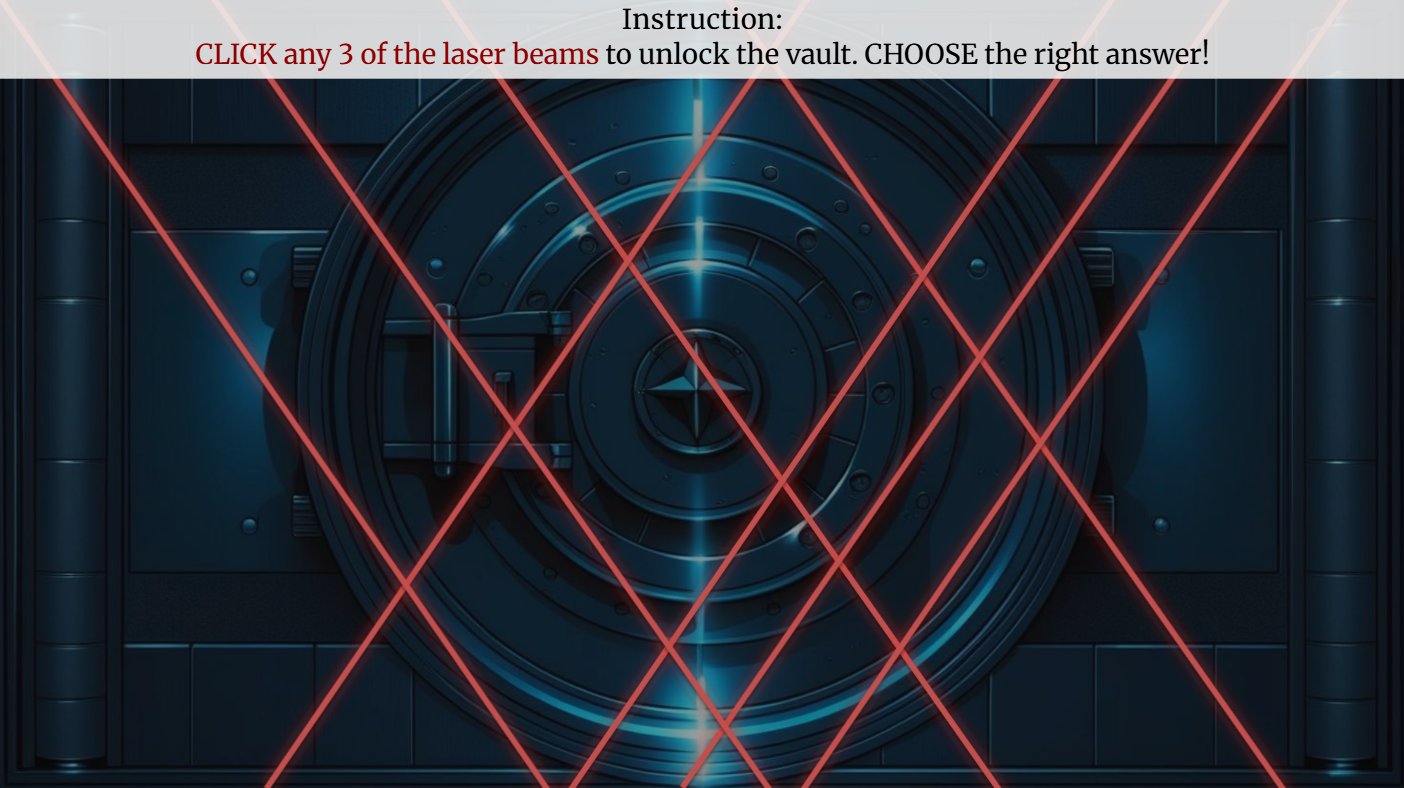
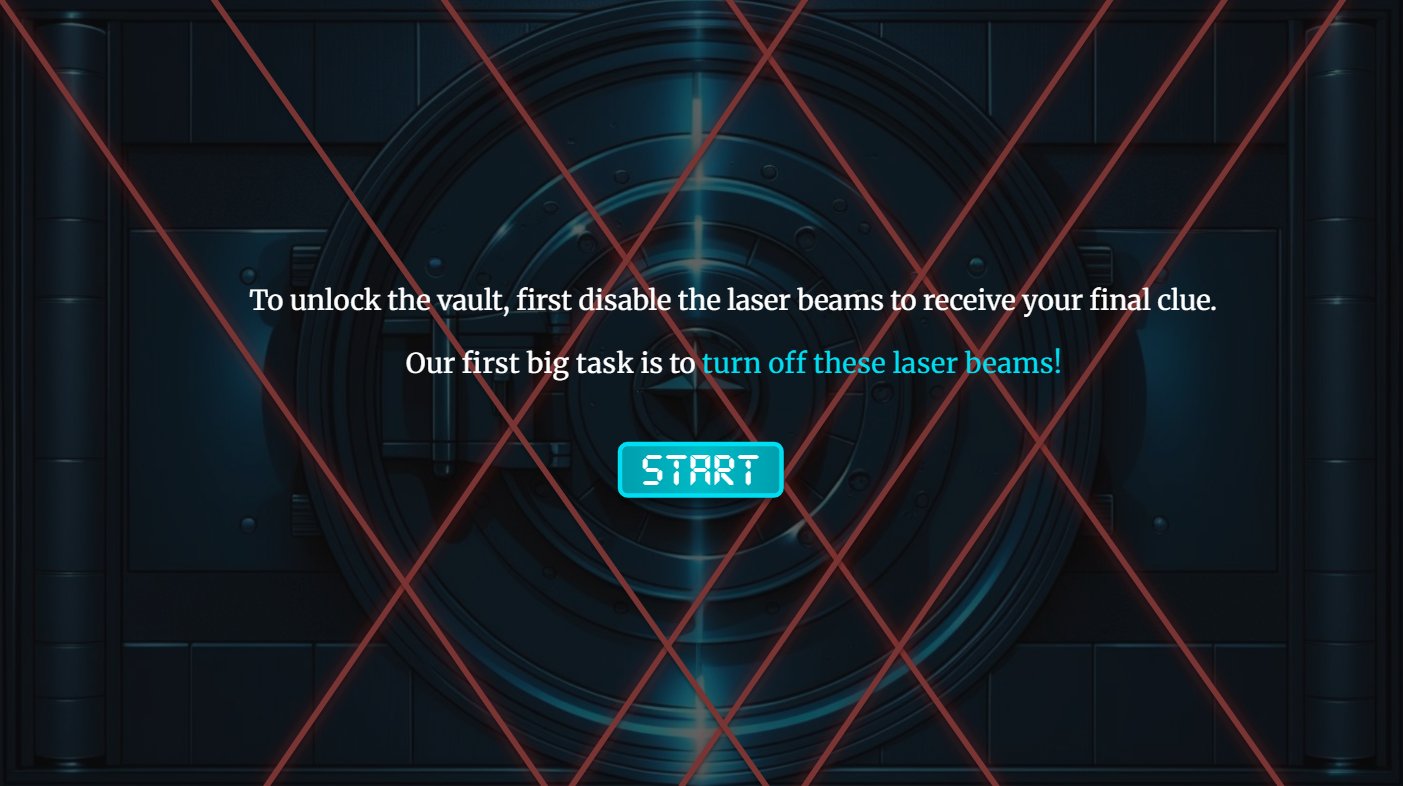
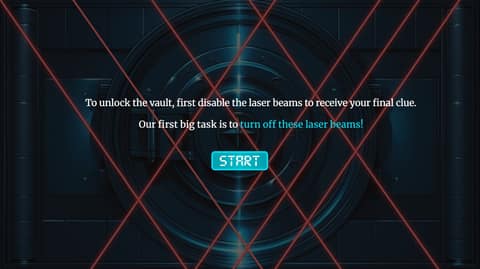
To open the vault, learners must first switch off the laser beams. Each beam hides a real ethical dilemma.

Vault intro: disable the laser beams to get your final clue
The mission
Vault covered in red laser beams with an instruction bar
Click any 3 of the 8 beams

Eight real dilemmas

The 10 types of third party from the old slide became decisions learners actually face. They pick any 3 of these 8.

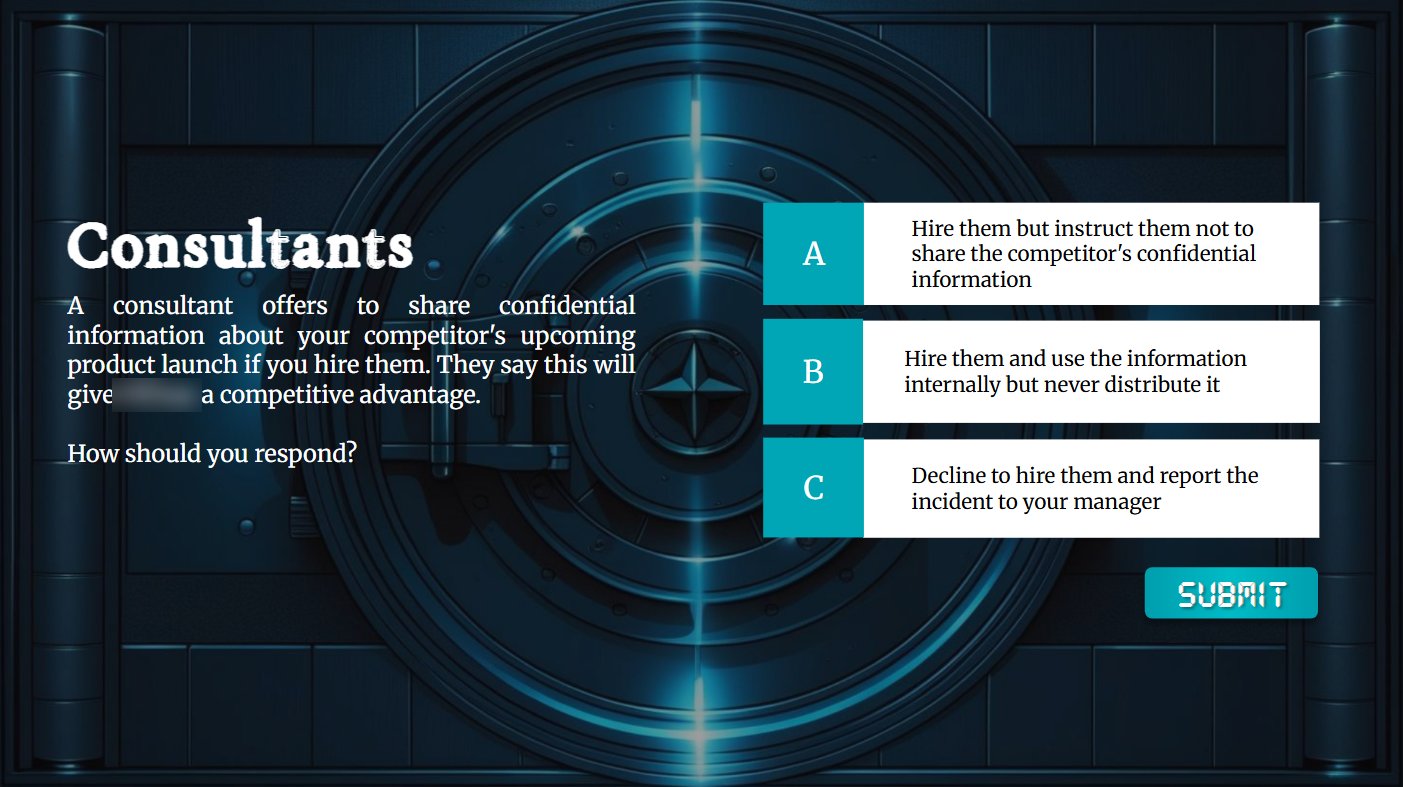
ConsultantsOffers a competitor's confidential information
VendorsInvites you to a luxury retreat
Public bodiesA gift basket for an inspector
ProcurementBulk pricing plus a personal reward
Sales channel partnersA distributor with legal issues
CustomersA charity request tied to a deal
AgentsWon't explain how they get approvals
SubcontractorsPressure to skip background checks

Choose an answer and get feedback

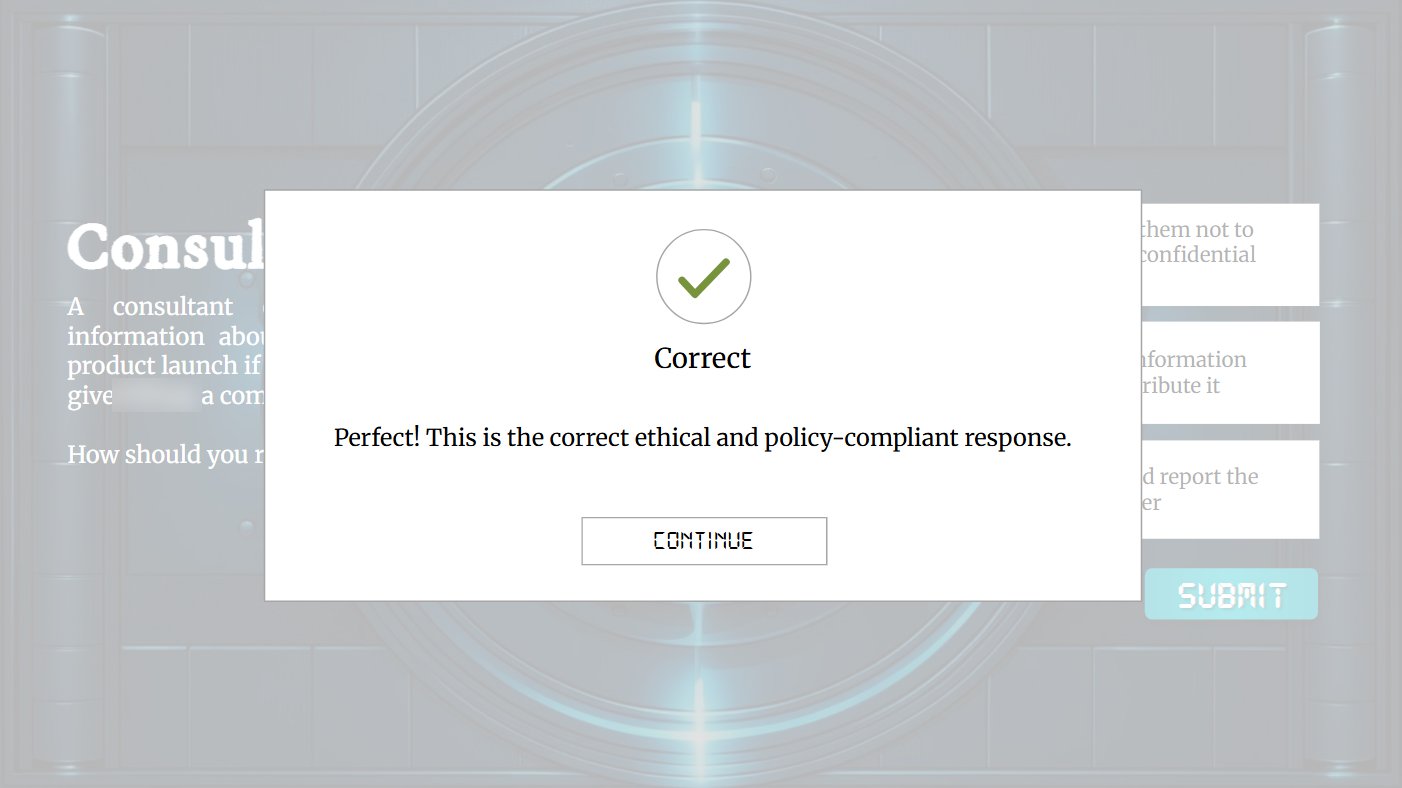
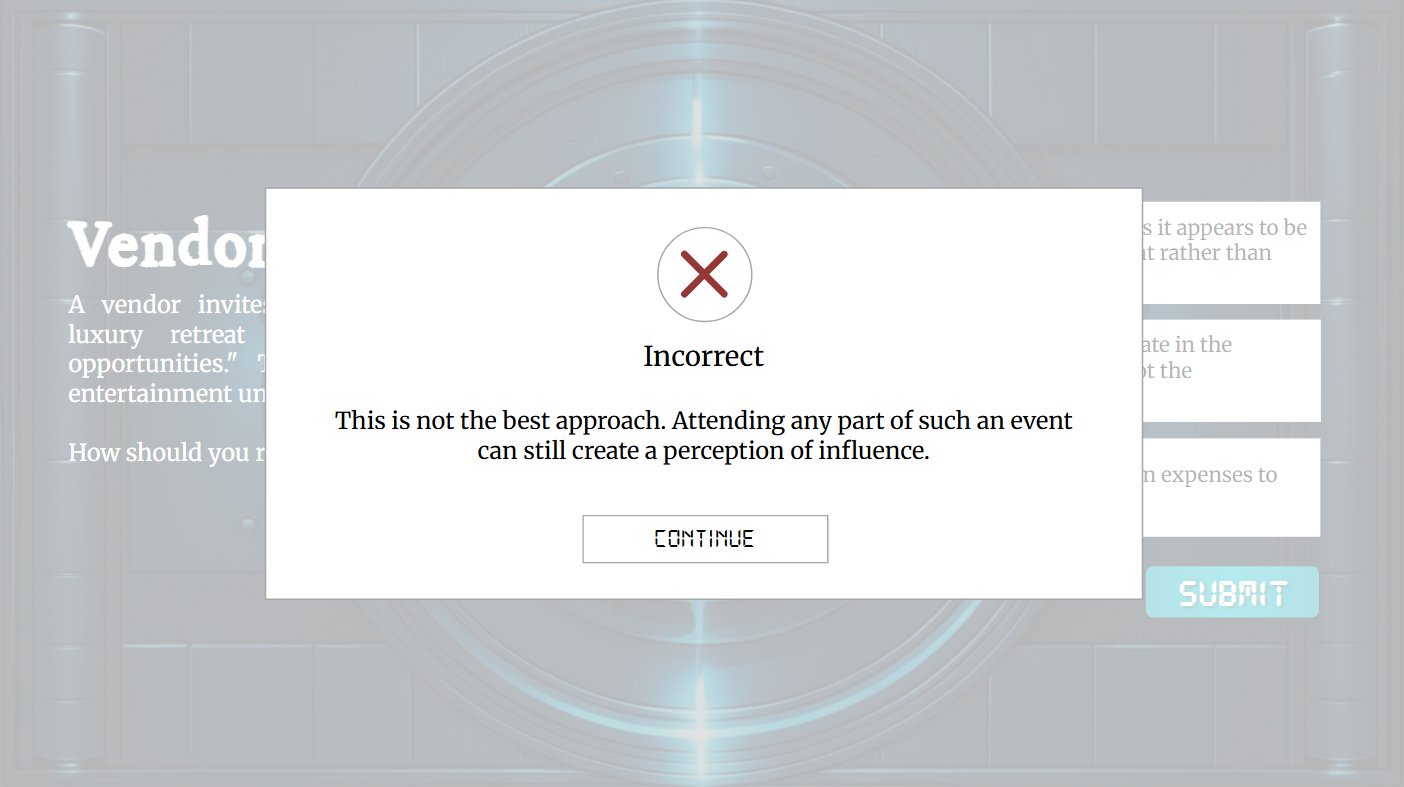
Each beam opens a short scenario with three choices. Every answer gets its own feedback that explains why it is right or risky.

Consultants scenario with three answer choices and a Submit button
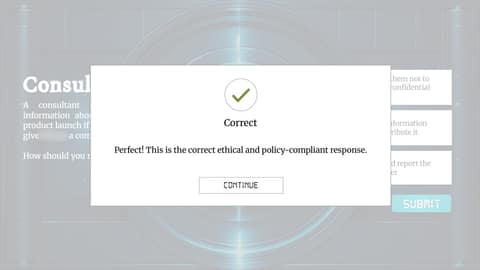
Correct feedback card with a green tick
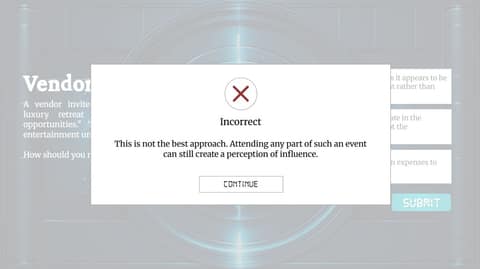
Incorrect feedback card with a red cross and an explanation

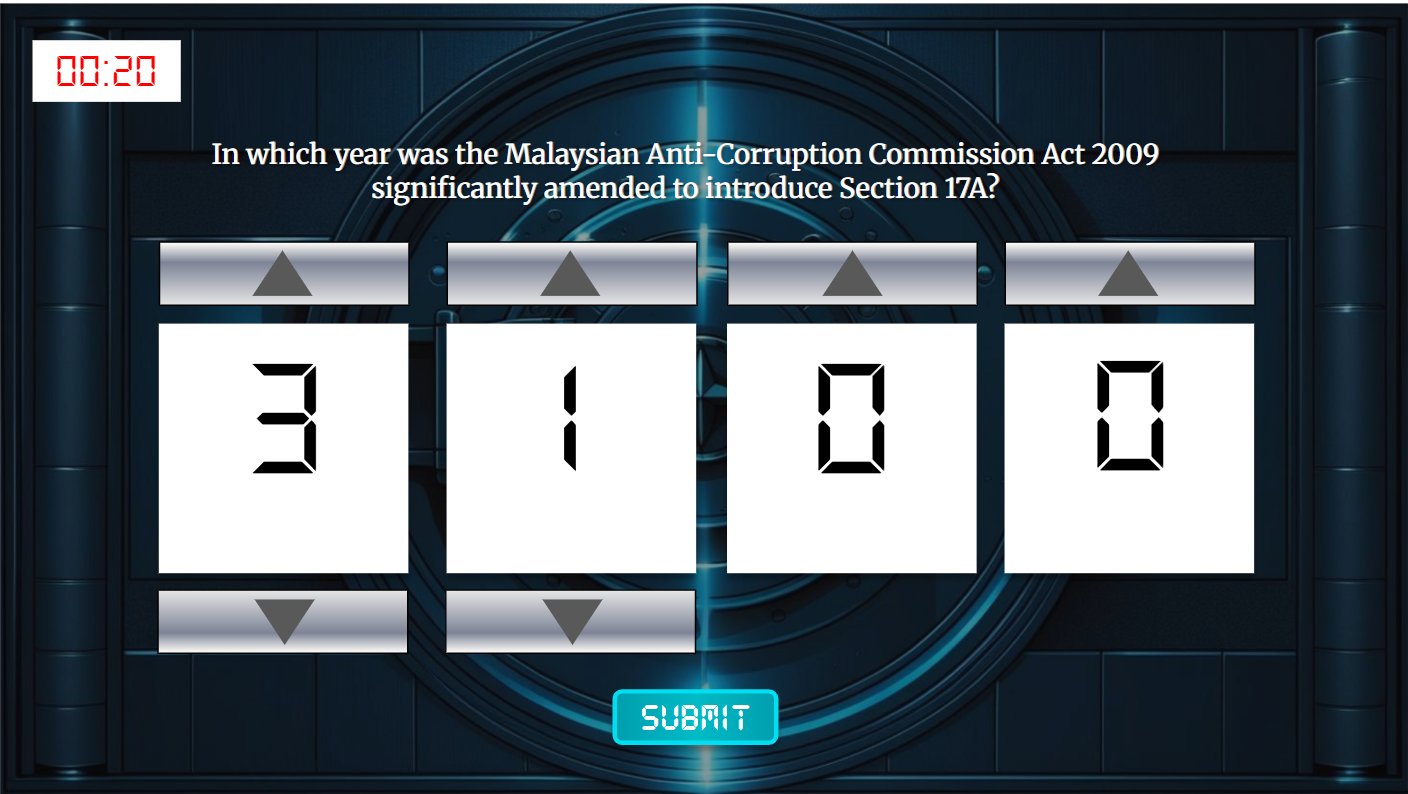
A 20-second passcode round

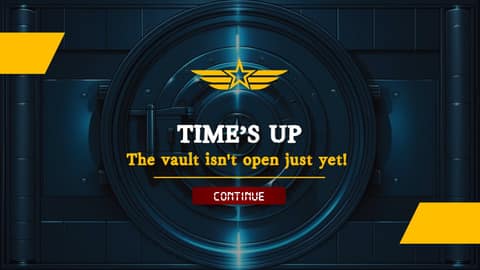
With the lasers off, one last lock remains: a passcode round. Learners have 20 seconds to dial in a Section 17A fact. Too slow, and the vault stays shut.

Passcode round with a 20-second timer and four digit wheels
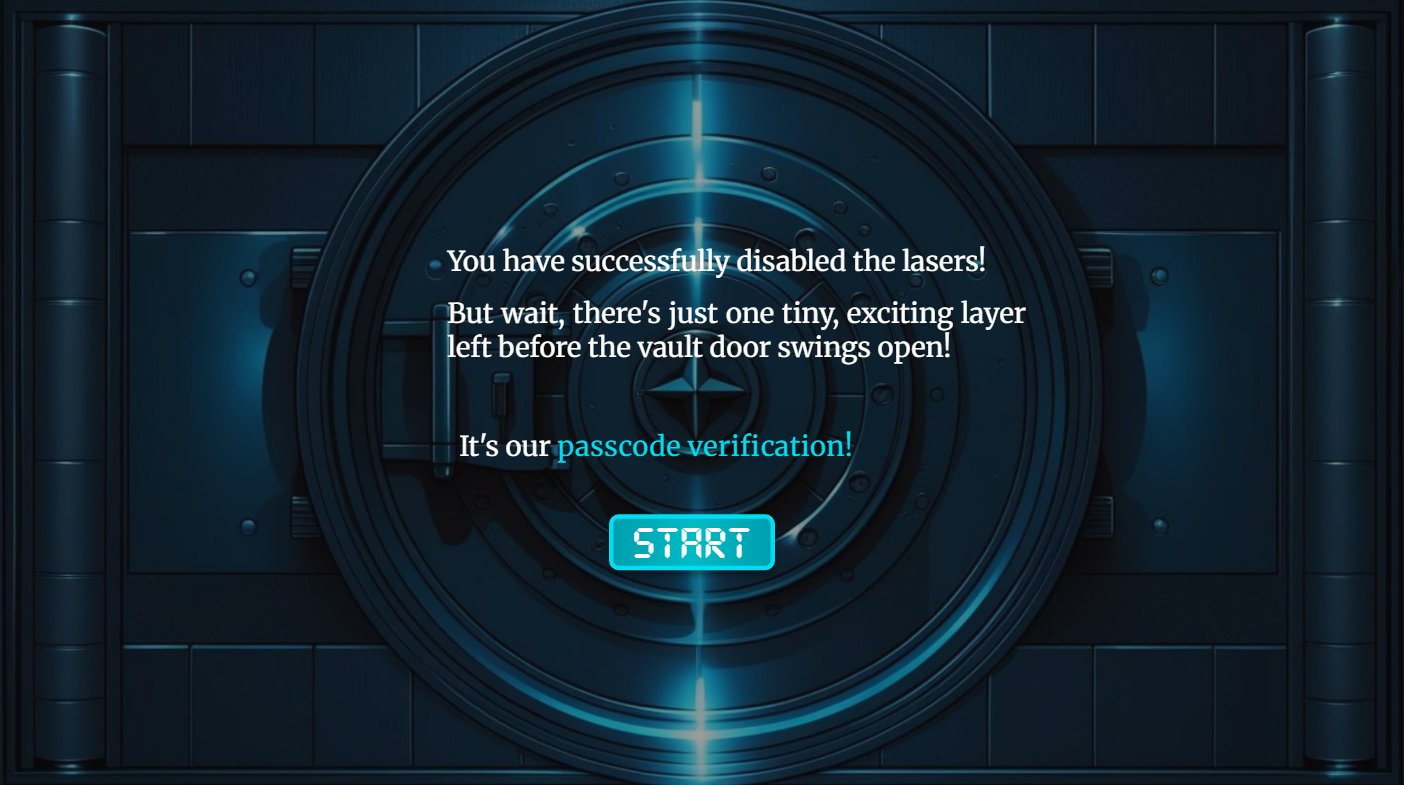
Screen saying the lasers are disabled and the passcode check is next
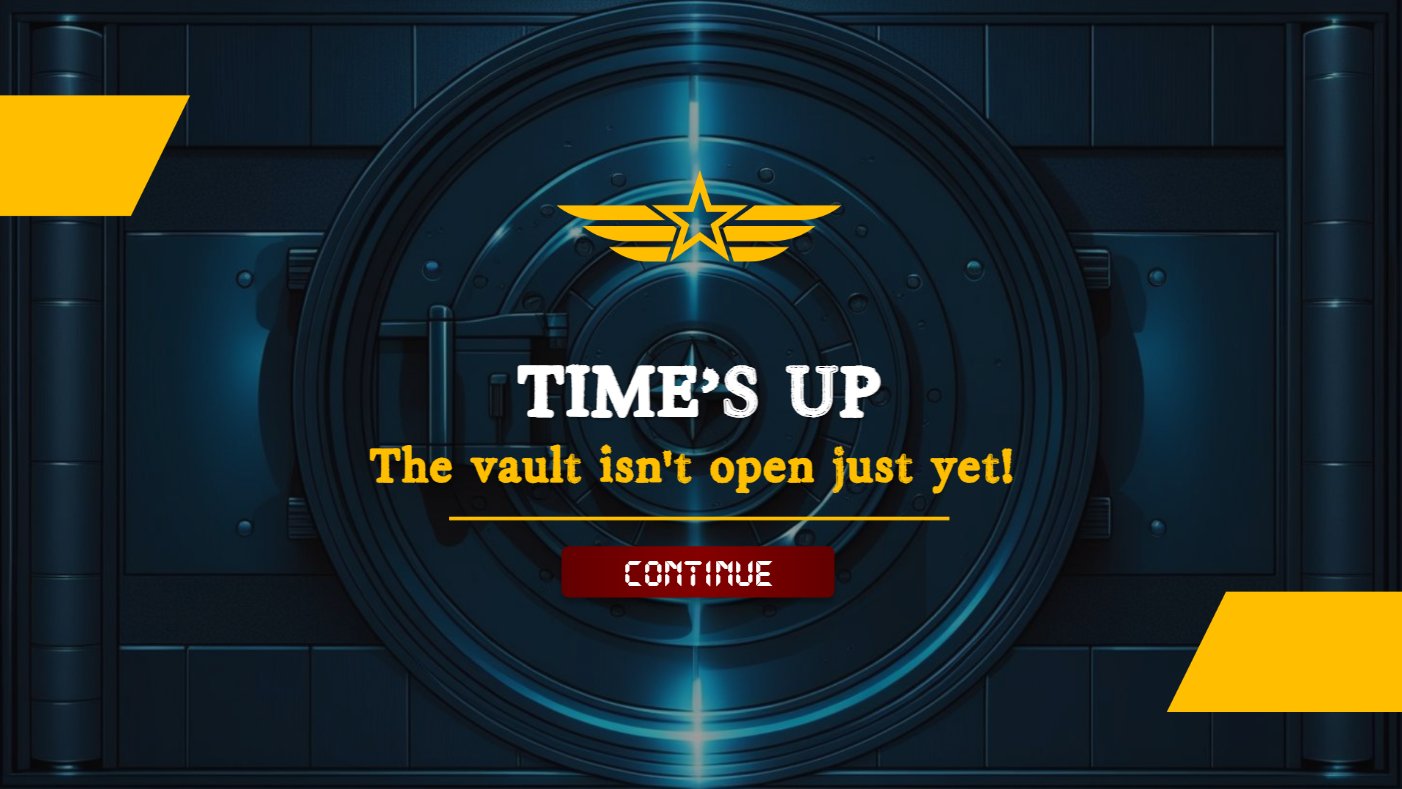
Time's up screen: the vault isn't open just yet

Game flow

One start, two possible endings, and a summary at the end.

  1. Title"Crack the Code" and I'm Ready
  2. The missionSwitch off the lasers to get your clue
  3. Laser beamsPick 3 of 8 dilemmas. Answer A, B or C and get feedback
  4. Lasers offOne more lock to go
  5. Passcode20-second Section 17A question on digit wheels
  6. Time's upVault stays locked. Try again
    Vault opensCorrect passcode in time
  7. Closing summaryAll 10 types of third party and the zero-tolerance policy

Style guide

A dark heist look with red lasers and glowing cyan, so the game feels tense. Feedback sits on clean white cards so it is always easy to read.

Color

Midnight#17113FTitle background
Vault steel#0D2433Game scenes
Neon cyan#62F4E8Titles and glow
Button teal#00A8BCButtons and choices
Laser red#D8493FBeams and warnings
Signal gold#FFC000Time's up

Type

CRACK THE CODE

Glowing display font for titles

START   SUBMIT   I'M READY

Digital font for buttons, like a keypad

A consultant offers to share confidential information. How should you respond?

Serif body text for scenarios

Buttons and feedback

STARTSUBMIT
CDecline to hire them and report it to your manager
Correct
Incorrect

White cards with a green tick or red cross stand out against the busy vault.

Before and after

One crowded slide became eight decisions to make.

Before

Narrated video over one dense slide

Dealing with 3rd Parties and Public Officials

Sub-contractorsVendorsConsultantsAgentsRepresentatives
DistributorsSales partnersPublic bodiesCustomersOthers
  • 10 categories and 4 policy points on one screen.
  • Learners were told the rules, never asked to use them.
  • No decision, no consequence.

After

A game built on real situations

Consultants

How should you respond?

A
B
C
SUBMIT
  • Same 10 categories, now 8 real decisions.
  • Learners pick an answer and learn why it matters.
  • A timed passcode round adds real stakes.

Built in Storyline 360

It has more interactions than the Virtual Law Library.

Clickable laser beamsClicking a beam opens its own scenario.
Feedback per answerAnswers A, B and C each show their own explanation.
Countdown and digit wheelsIf time runs out before learners press Submit, the game moves to Time's Up.
Beams that switch offEach beam switches off on the vault once its scenario is answered.
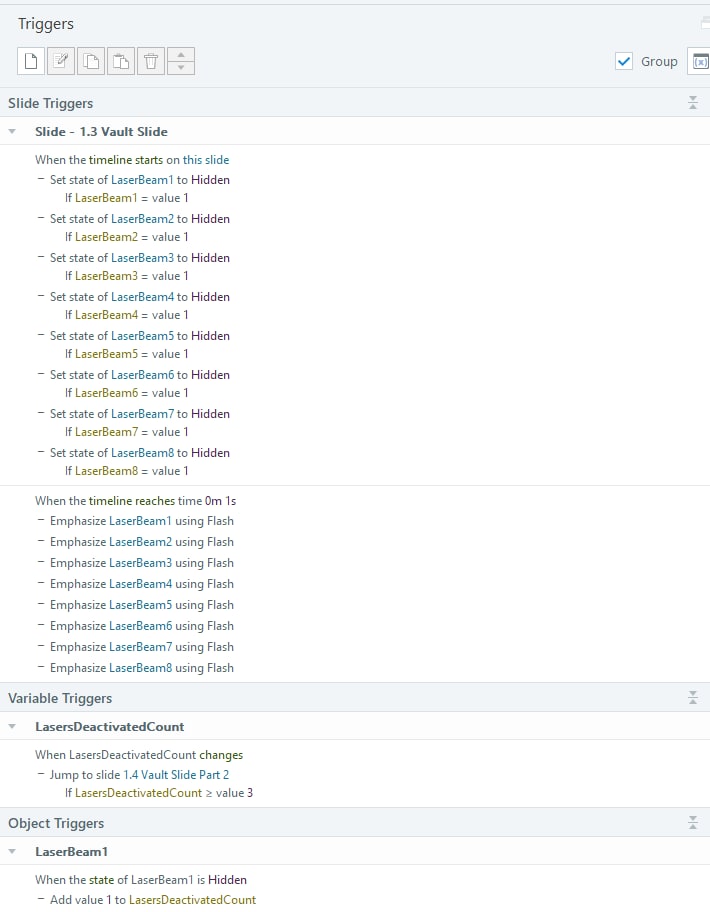
Storyline triggers for the vault slide: answered laser beams stay hidden, and after 3 beams the game moves on
The vault slide: an answered beam stays off, and after 3 beams the game moves on.

How the game ends

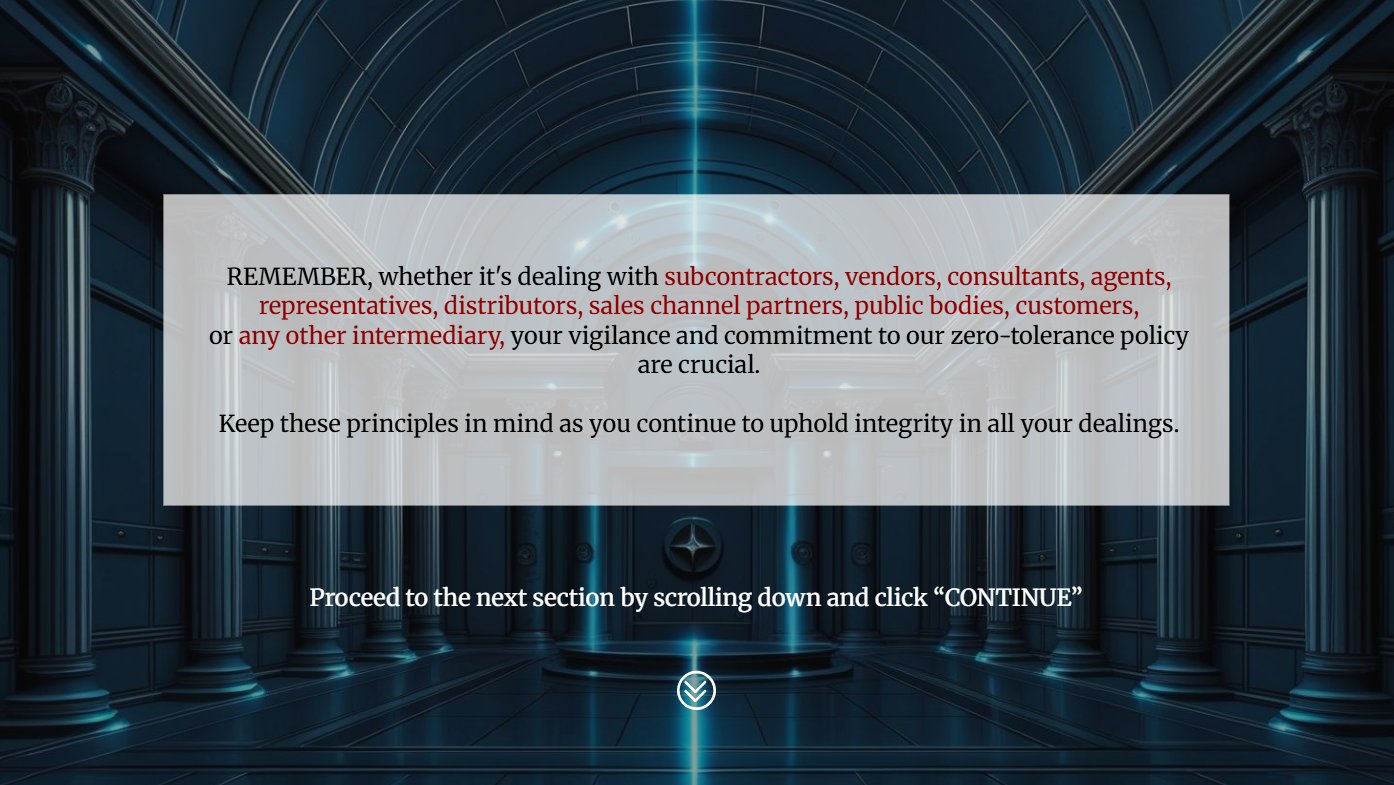
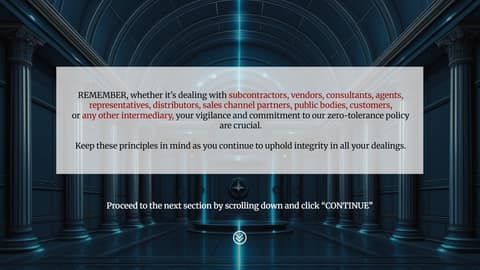
The last screen moves to a quiet marble hall. The full list of third parties returns here as a reminder, after learners have already practiced using it.

Closing summary in a marble hall listing all types of third party
Back to all work

Software simulation

Expense Claim System Simulation

A click-through practice copy of the company's expense claim system. Learners learn to submit, manage and track claims in a safe replica, instead of reading slides on the side.

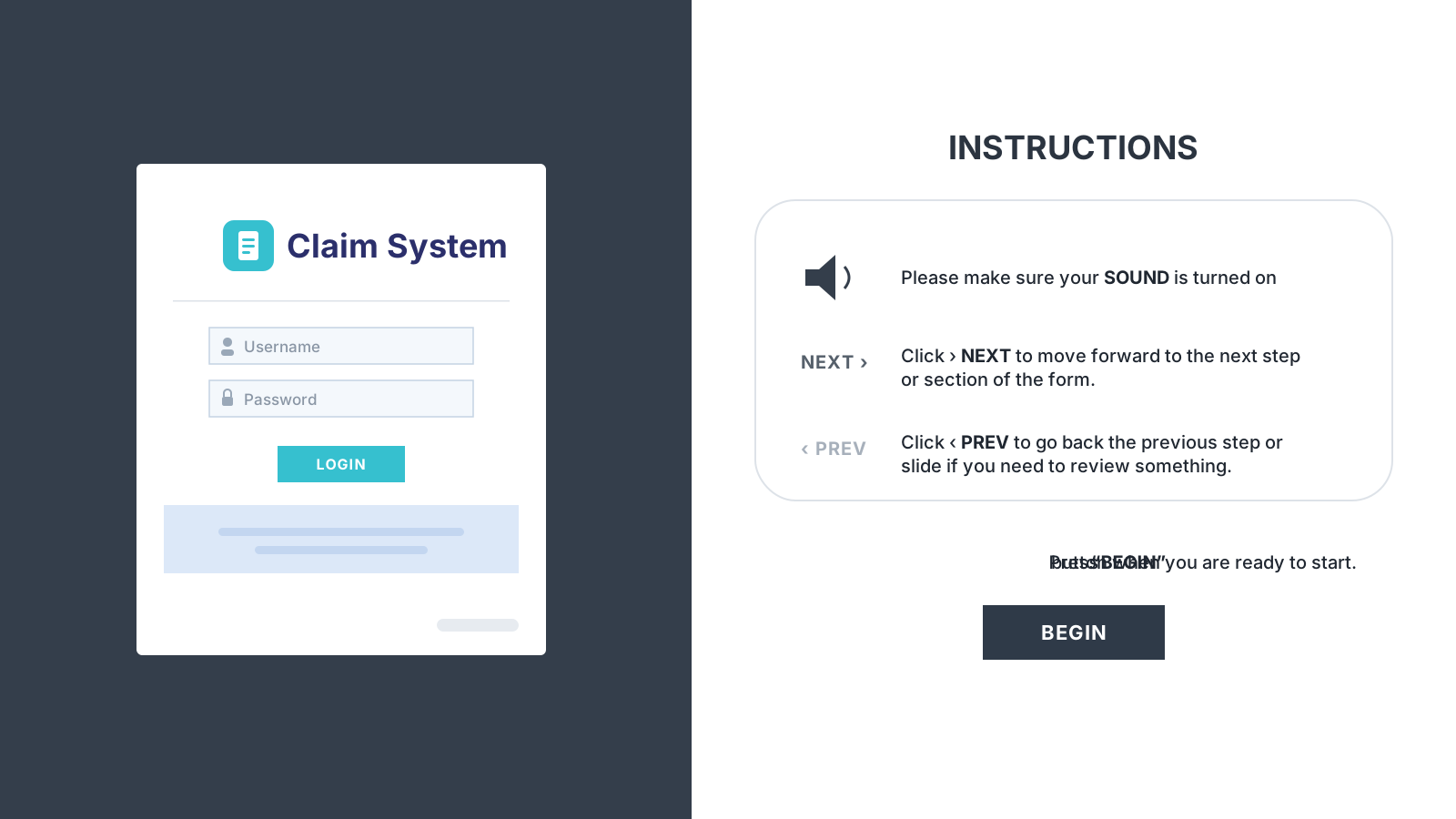
Simulation start screen with the login page and instructions

The challenge

Switching between two windows caused mistakes

The old training was a slide-based step-by-step guide. Learners kept switching between the slides and the real system while trying to submit a claim. Stakeholders linked this back-and-forth to a high rate of claim errors.

What I built

Practice in a safe copy of the system

An interactive simulation built over the real Claim System screens. Learners practice submitting, managing and tracking general, local travel and overseas claims, with guidance right on the screen instead of in a separate file.

Before and after

One guided copy of the system instead of two windows.

Before

A slide guide next to the real system

Step 3

  • Read a step, switch windows, try it, switch back.
  • Easy to lose your place or skip a step.
  • Mistakes only showed up after submitting.

After

Practice in a copy of the system

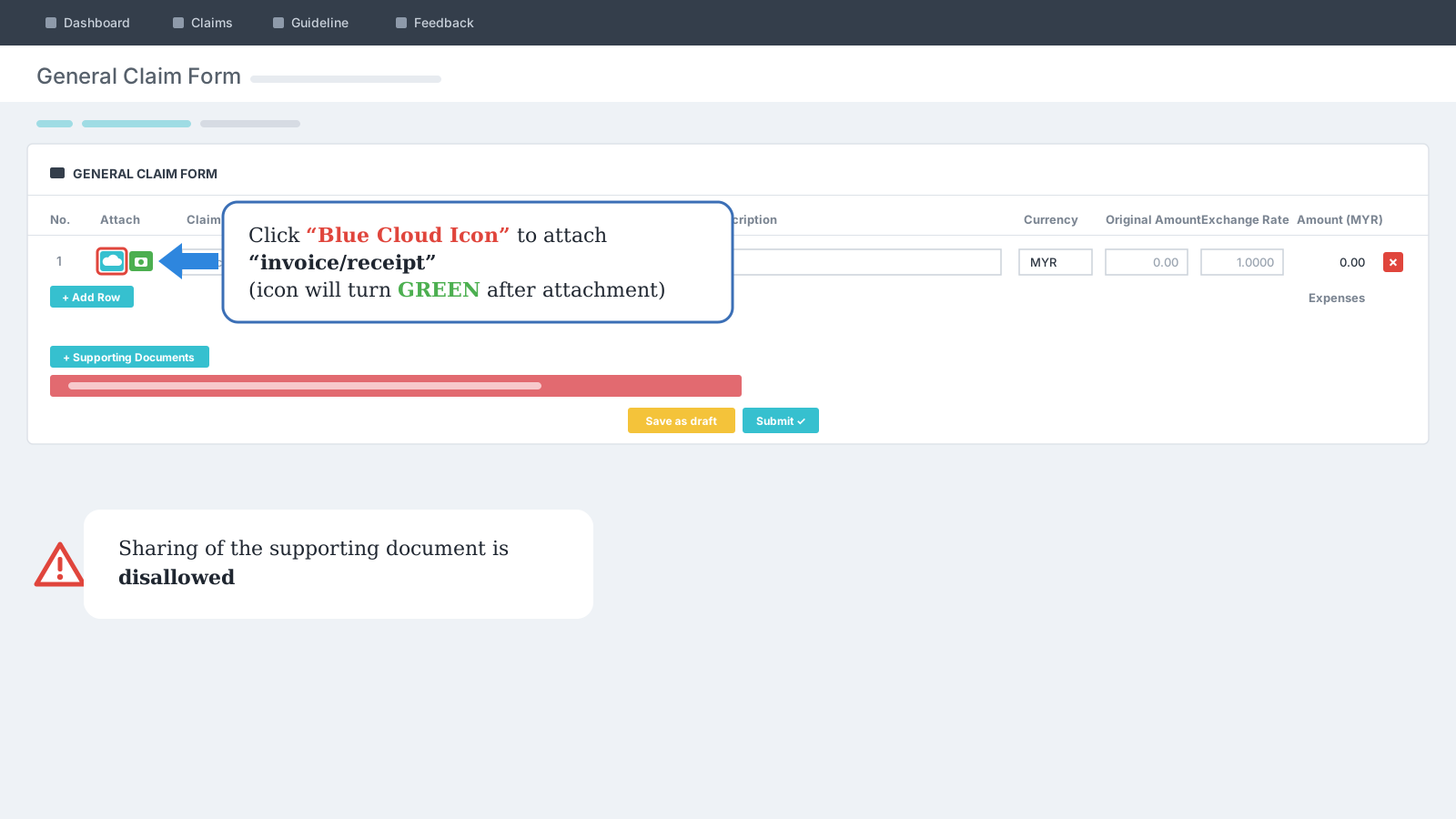
Click the cloud icon to attach your receipt
  • Instructions sit right on the screen they describe.
  • Learners click through each step themselves.
  • Safe to make mistakes: nothing is really submitted.

Walk through a claim

Each screen copies the real system, with a callout that tells learners exactly where to click next.

01

Log in

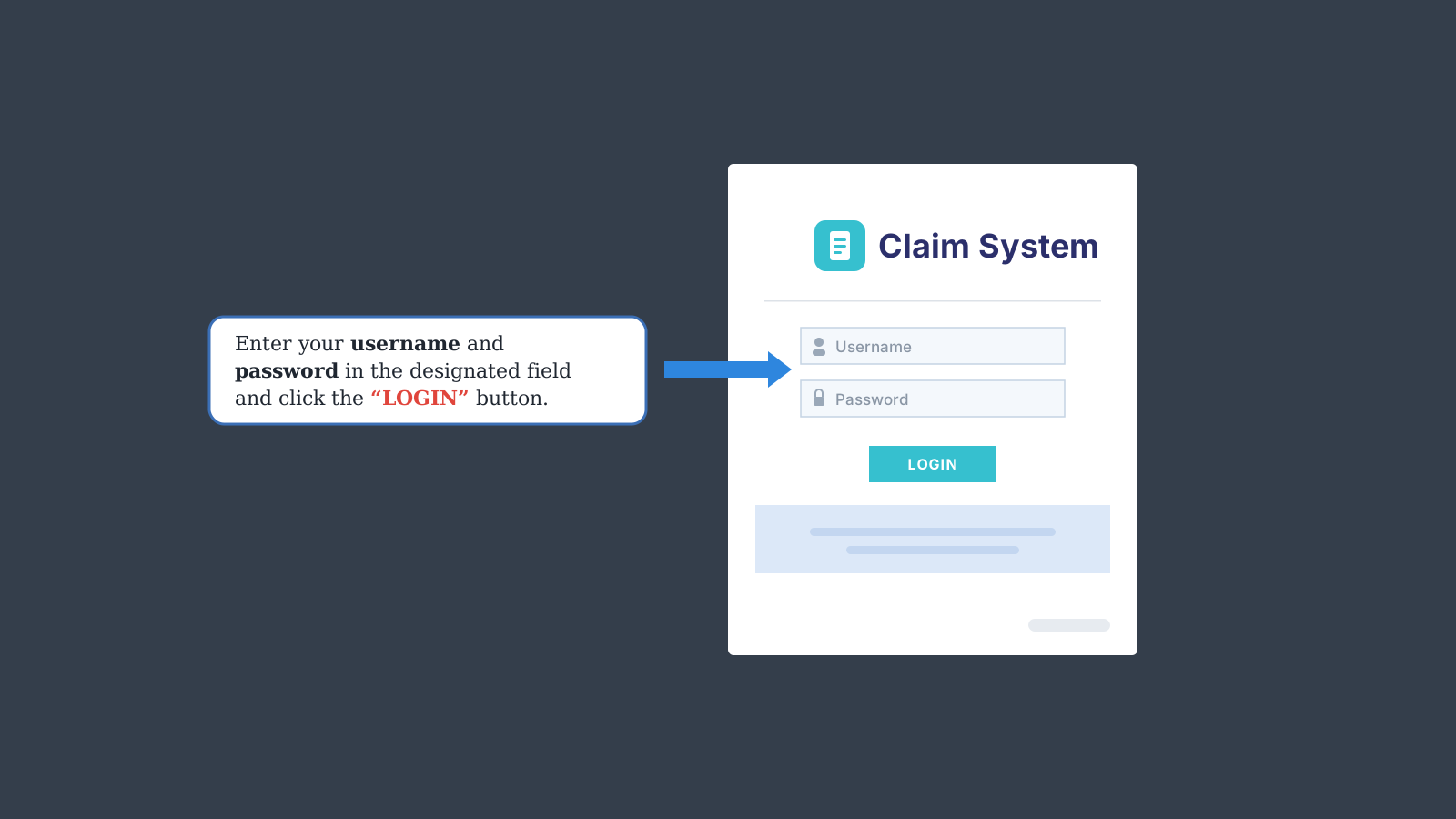
Learners start on the same login page they use every day, so nothing feels new on the real day.

Login page with a callout pointing to the username and password fields
02

Attach the receipt

A callout points to the cloud icon and explains it turns green once the receipt is attached. A warning reminds learners that supporting documents can't be shared.

Claim form with a callout on the cloud icon for attaching a receipt
03

Choose the claim type

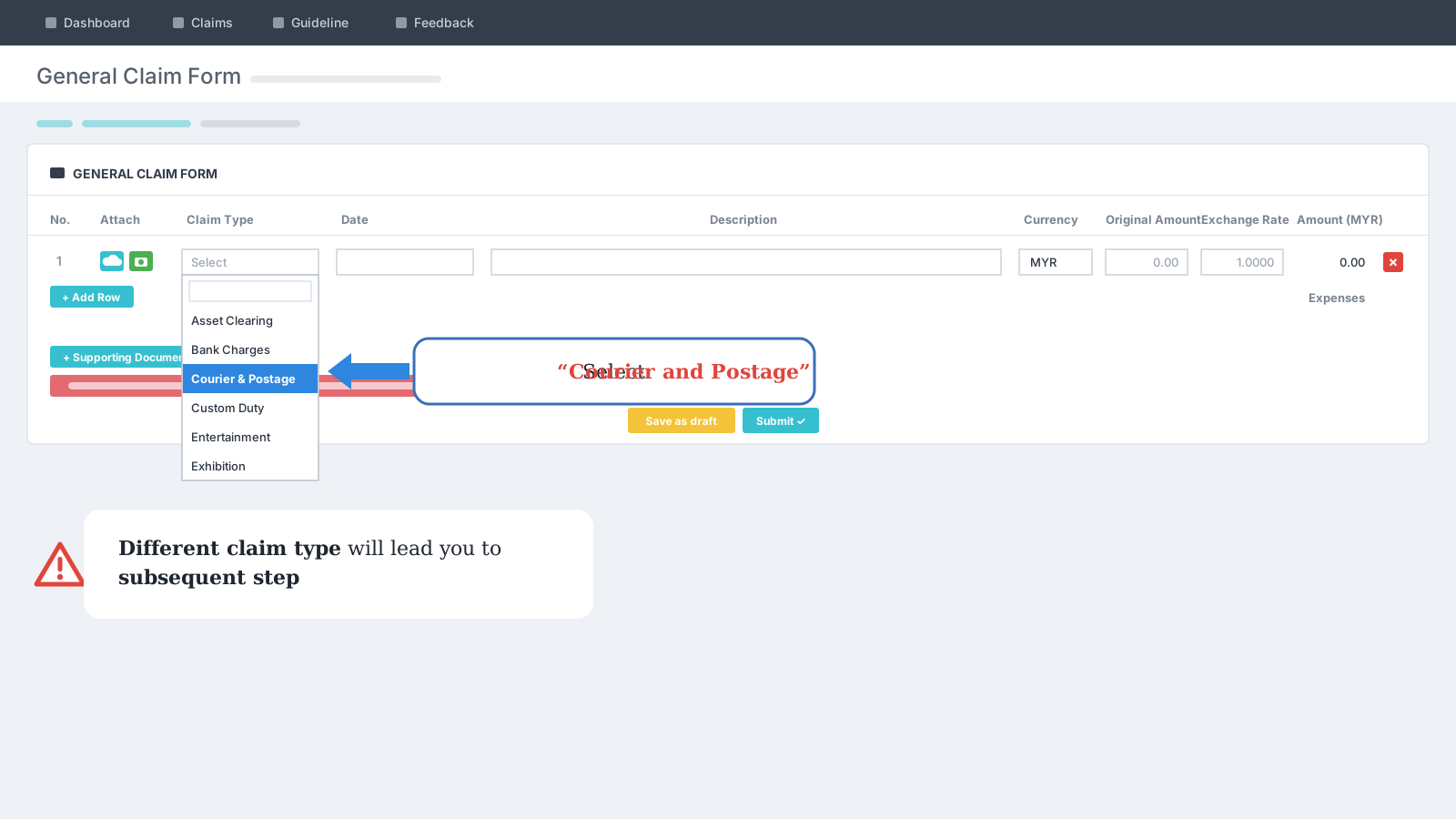
Picking a claim type changes the next steps, so the simulation shows learners which one to choose and why it matters.

Claim type dropdown with Courier and Postage highlighted
04

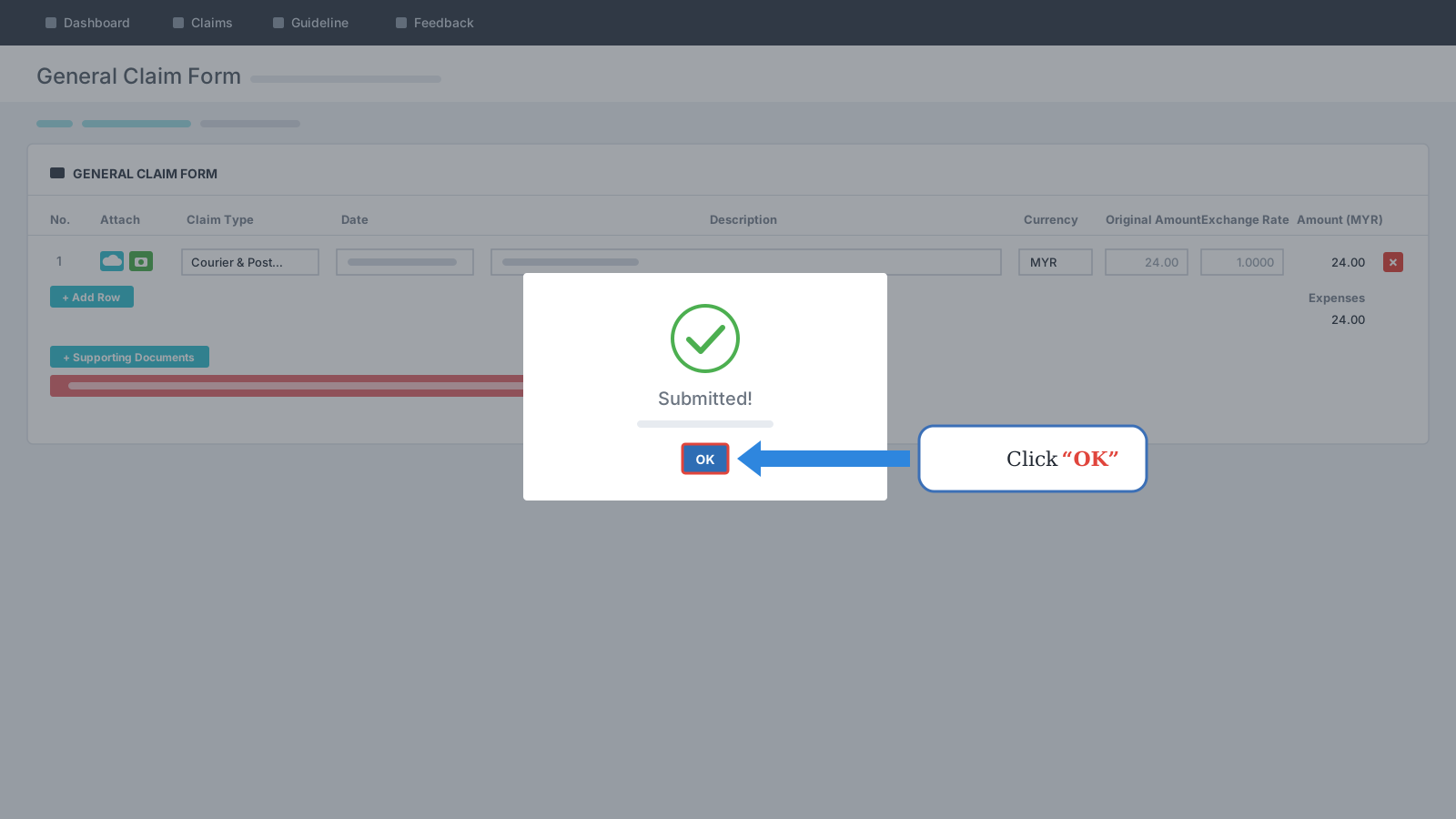
Submit and confirm

The claim goes through and the confirmation appears, just like in the real system.

Submitted confirmation message with a callout on the OK button

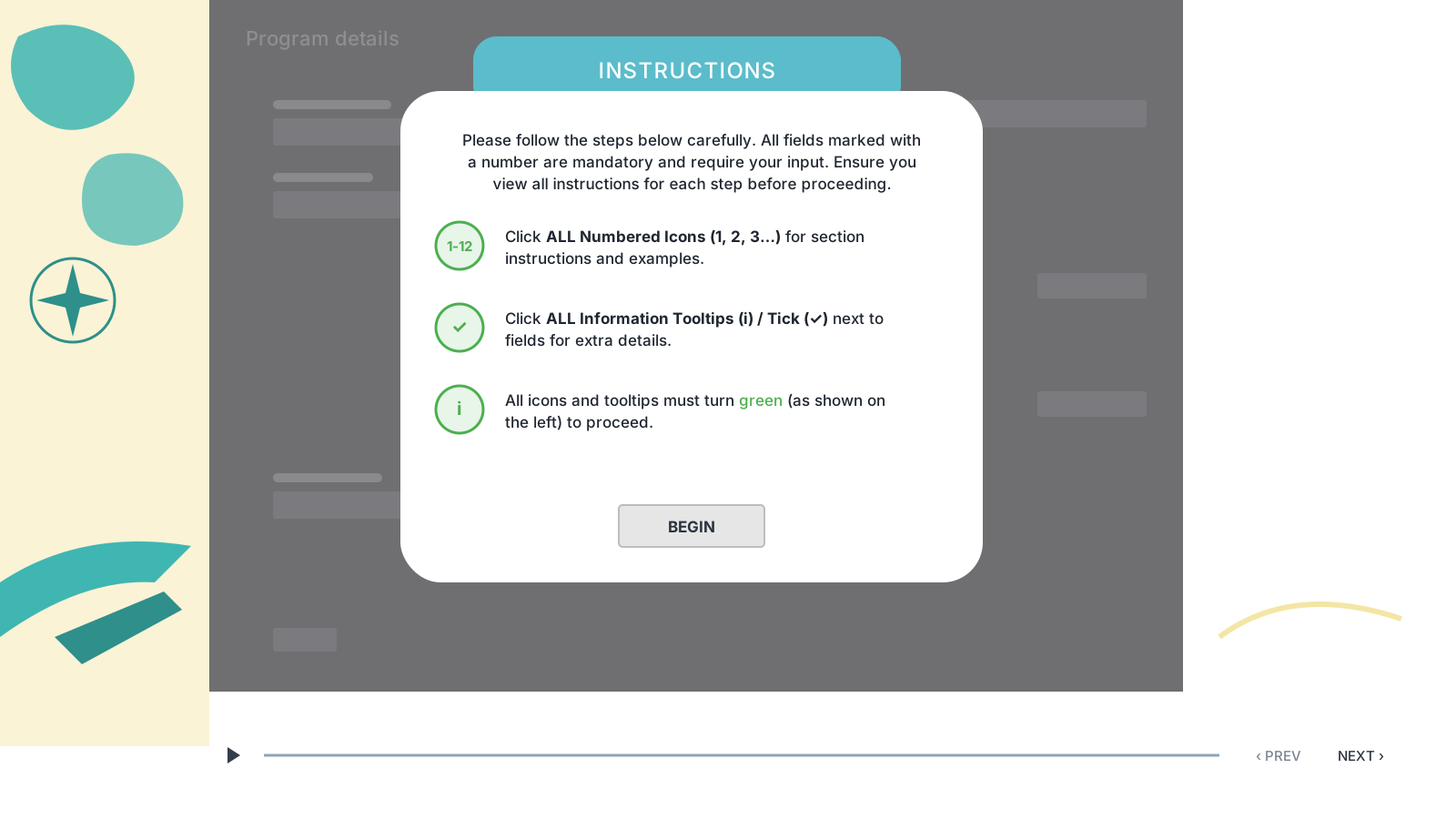
Travel claims, step by step

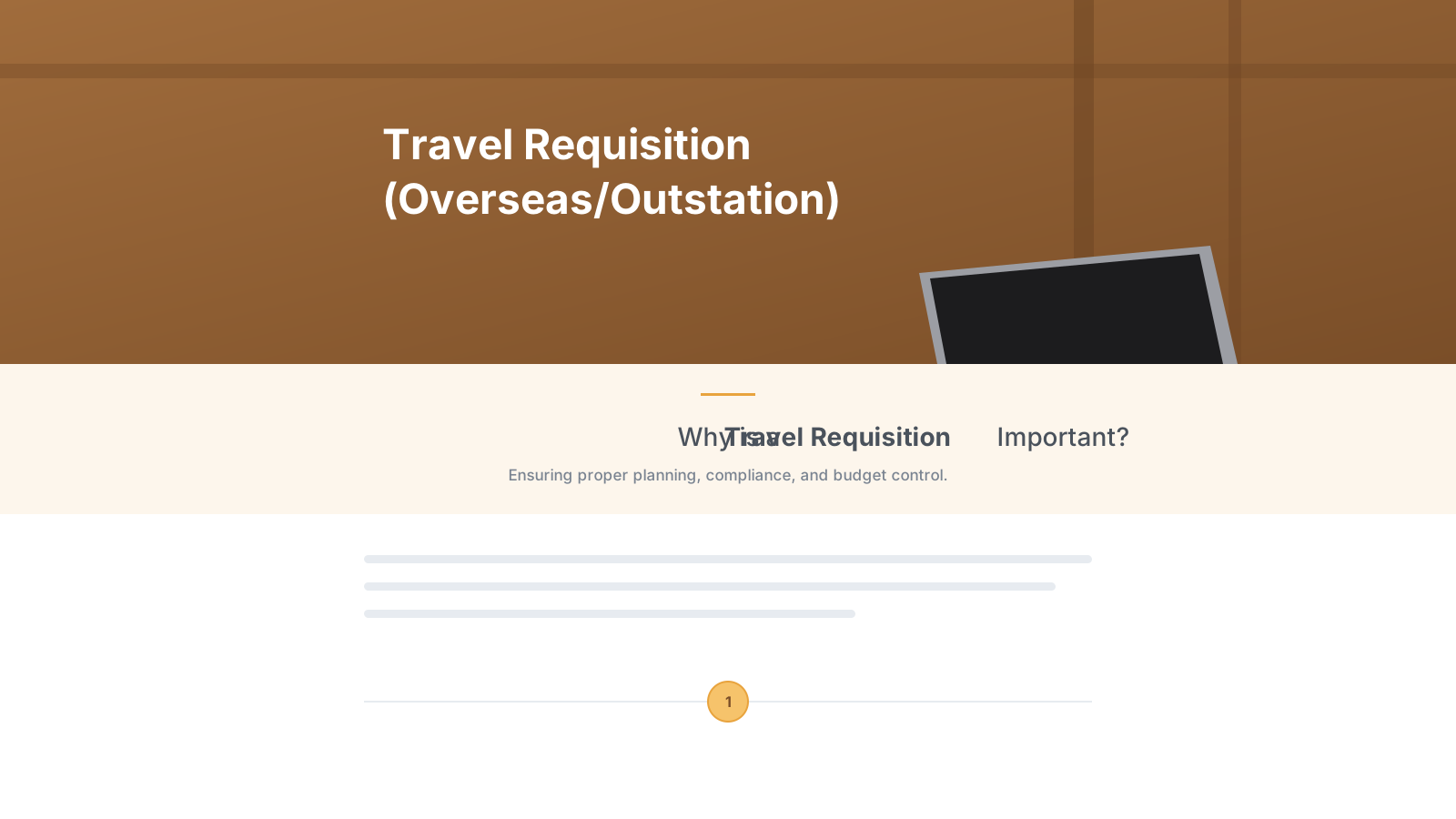
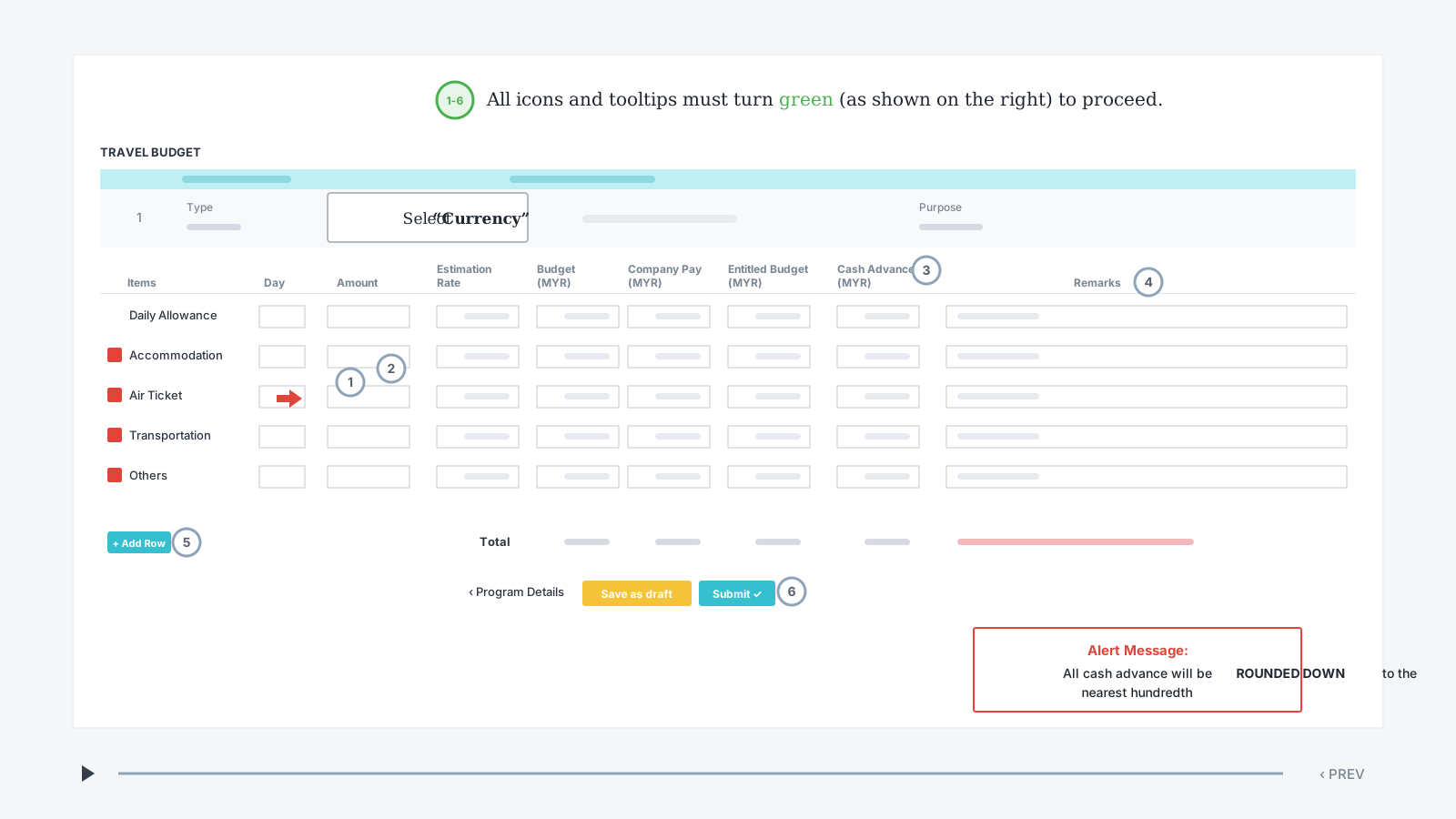
For overseas and out-of-town trips, a guided course explains why a Travel Requisition matters, then walks through the form with numbered steps that turn green as learners complete them.

Travel Requisition course opening: why a Travel Requisition is important
Instructions pop-up: all numbered icons and tooltips must turn green to proceed
Travel budget form with numbered step markers and a callout

What learners can do after

  • SubmitGeneral and Travel claims correctly in the Claim System
  • Explainwhy a Travel Requisition must be approved before the trip
  • Preparecomplete claims with the right documents attached
  • Applycompany rules on deadlines, claimable items and approvals
  • Tracktheir claims and follow the approval flow

The result

The error rate fell from 36% to 31% while submission volume grew 48%.

Claims submitted with errors

Before36%

After31%

Course completion

Target80%

Actual82%

From claim system records: January to September 2025 before, October 2025 to June 2026 after. Stakeholders also asked whether "how-to" questions dropped, but not every new employee's training could be verified, so that number was left out rather than overstated.

Back to all work

Course production

AI-Assisted Course Design

I direct AI to build whole courses, from the first outline to the finished lesson. Gemini and Claude speed up the writing and the build. I set the goals, shape every lesson around Gagné's Nine Events of Instruction, and check every screen.

Role
Instructional designer, directing the AI
Tools
Gemini, Claude
Learning model
Gagné's Nine Events
Build time
2–3 weeks → 2–5 days per course

The challenge

Courses were needed faster

Courses were needed faster than one designer could build them by hand. Speed could not come at the cost of good teaching: every lesson still had to be clear, accurate and interactive.

What I built

Using AI to speed up course production

I treat AI like a fast team that needs a clear brief. I decide what learners need and how each lesson should flow. The AI drafts and builds. Nothing reaches learners until I have checked it.

How I work with AI

Five stages, from a blank page to a finished course. The labels show who leads each one.

  1. OutlineMe

    I set the audience, the goals and the lesson outline.

  2. BriefMe

    I write the brief: the nine events for every lesson, the tone, the look and the interactions.

  3. DraftAI

    Gemini and Claude write the first draft. I edit it for accuracy and plain words.

  4. BuildAI

    The AI builds each lesson as an interactive page. I direct the design, screen by screen.

  5. ReviewMe

    I test every interaction, check every fact and polish until it is ready to publish.

AI writes the first draft. I make the decisions. I set the learning goals and sign off every piece of content myself.

Gagné's Nine Events in every lesson

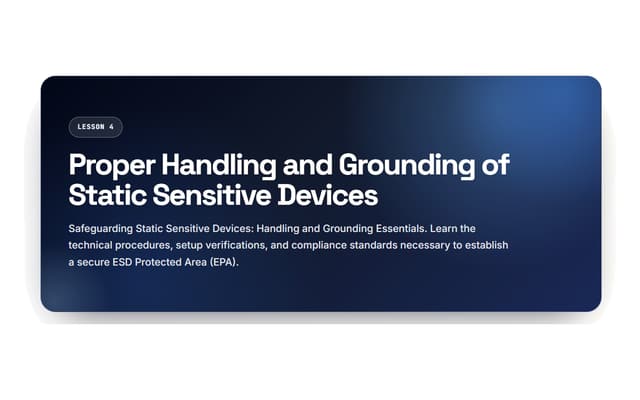
Gagné's Nine Events of Instruction is a proven order for teaching. I build it into every brief, so what the AI makes follows how people actually learn. Here is each event, with real screens from the courses.

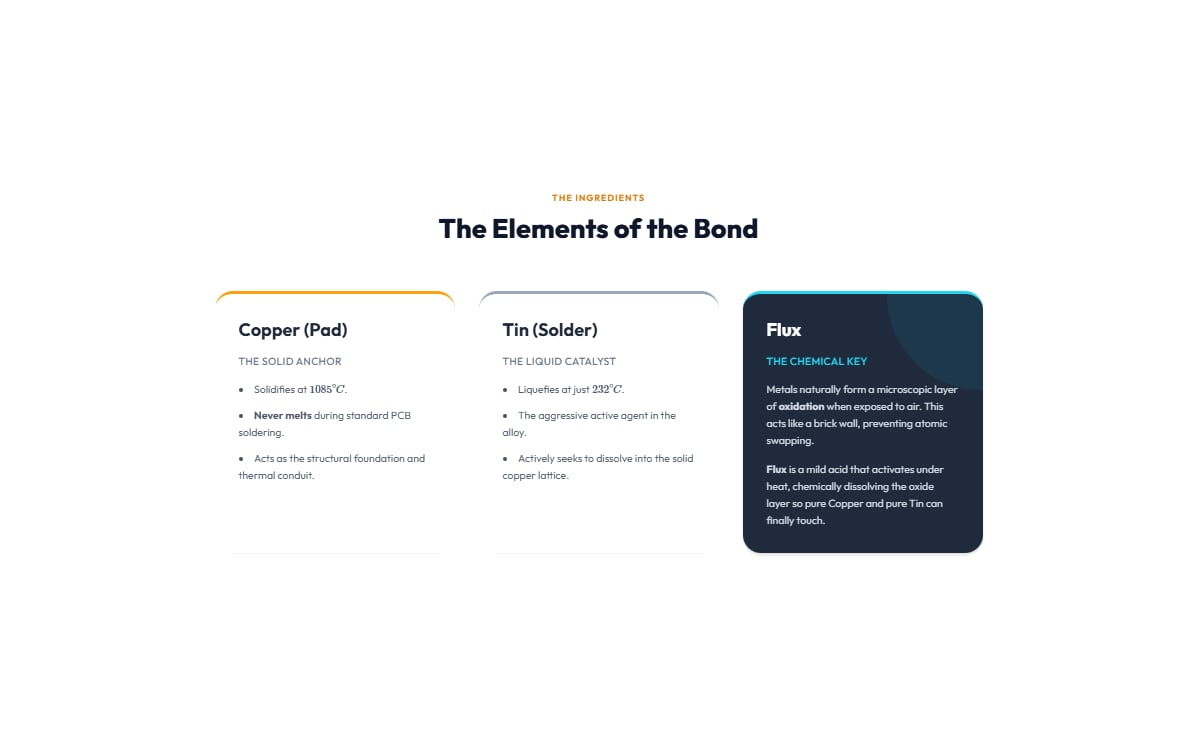
  1. Event 01

    Gain attention

    Open with something that makes learners want to know more.

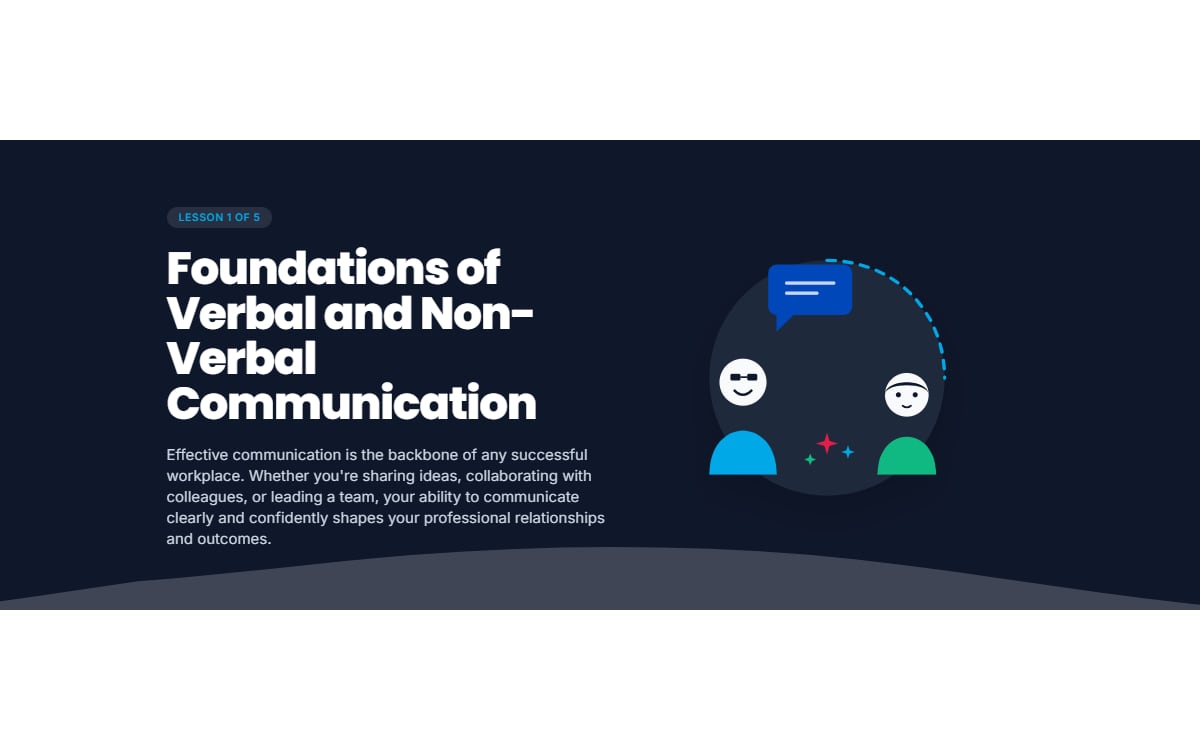
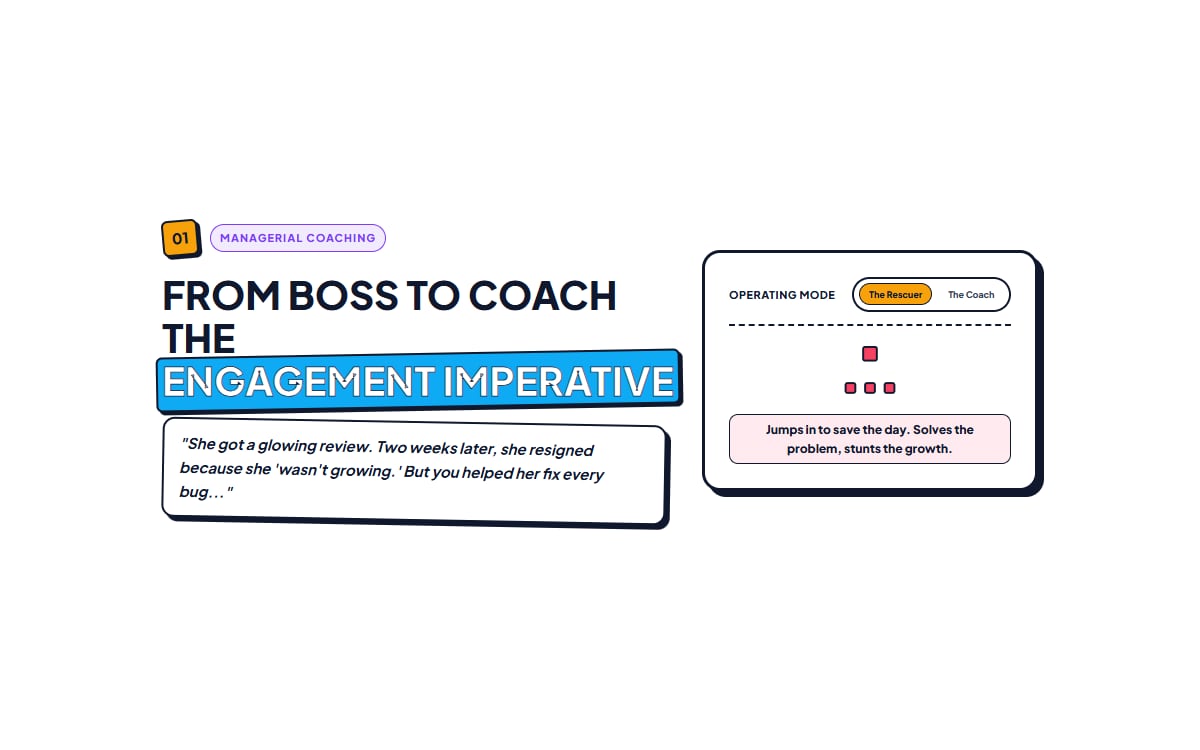
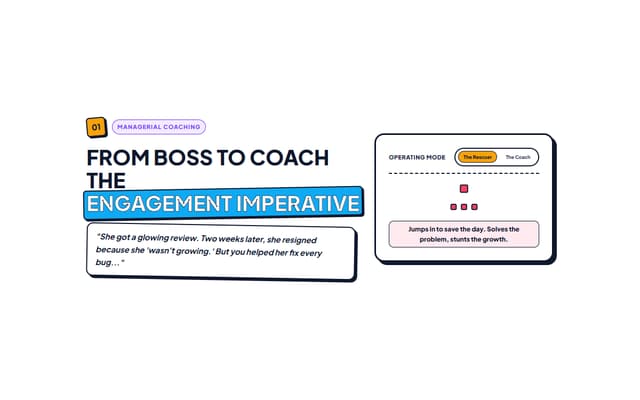
    Each course opens with a bold title, a real story or a surprising fact. One starts with a manager whose best engineer quits two weeks after a glowing review.

  2. Event 02

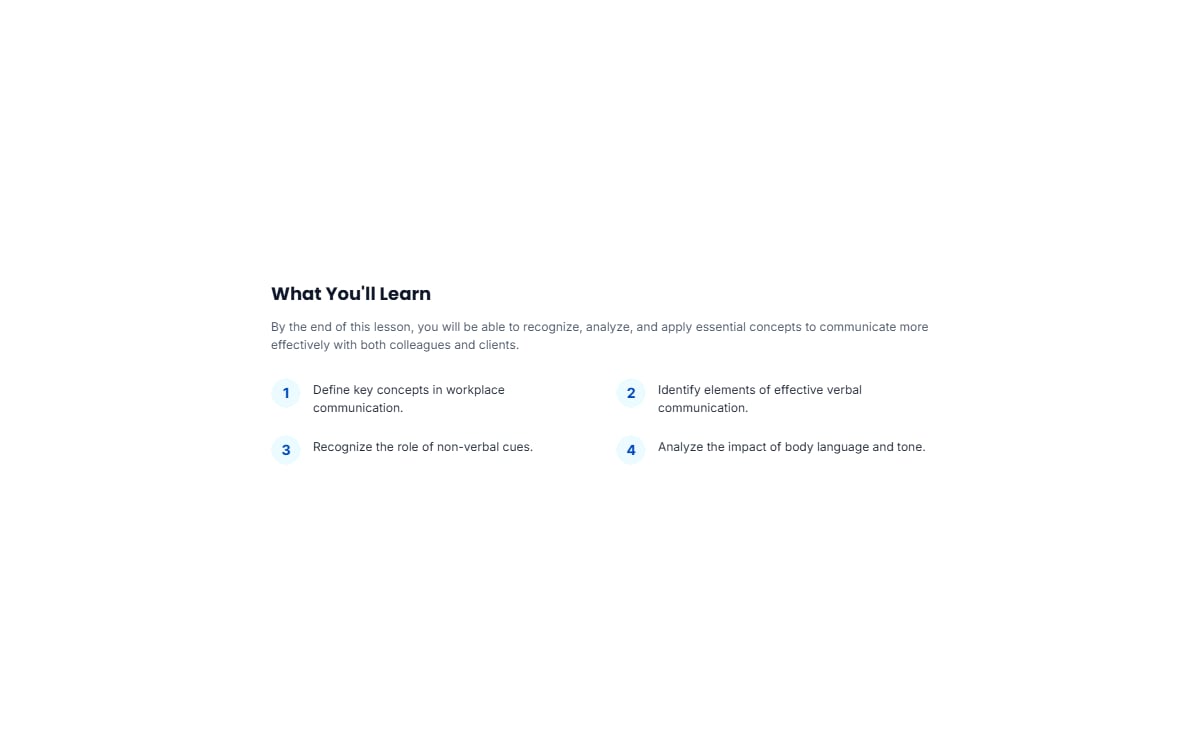
    Inform learners of the objectives

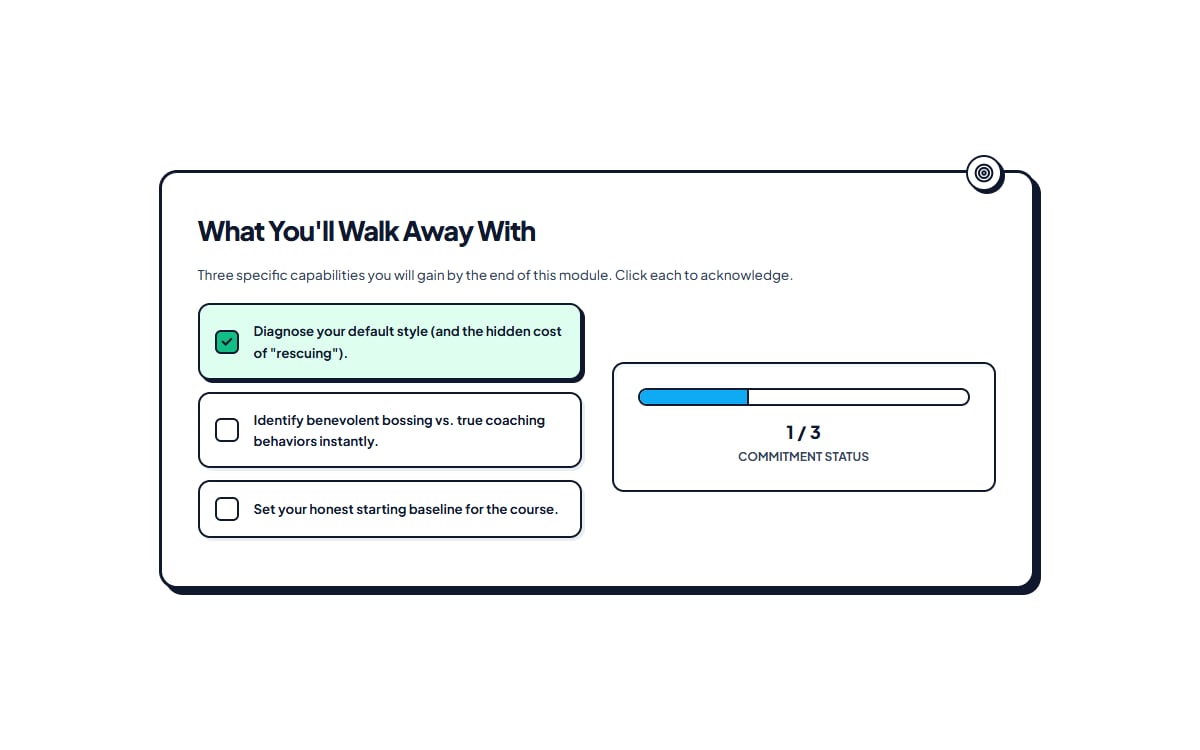
    Tell learners what they will be able to do.

    A short list of goals comes first, written as actions learners can check off.

  3. Event 03

    Stimulate recall of prior learning

    Link new ideas to what learners already know.

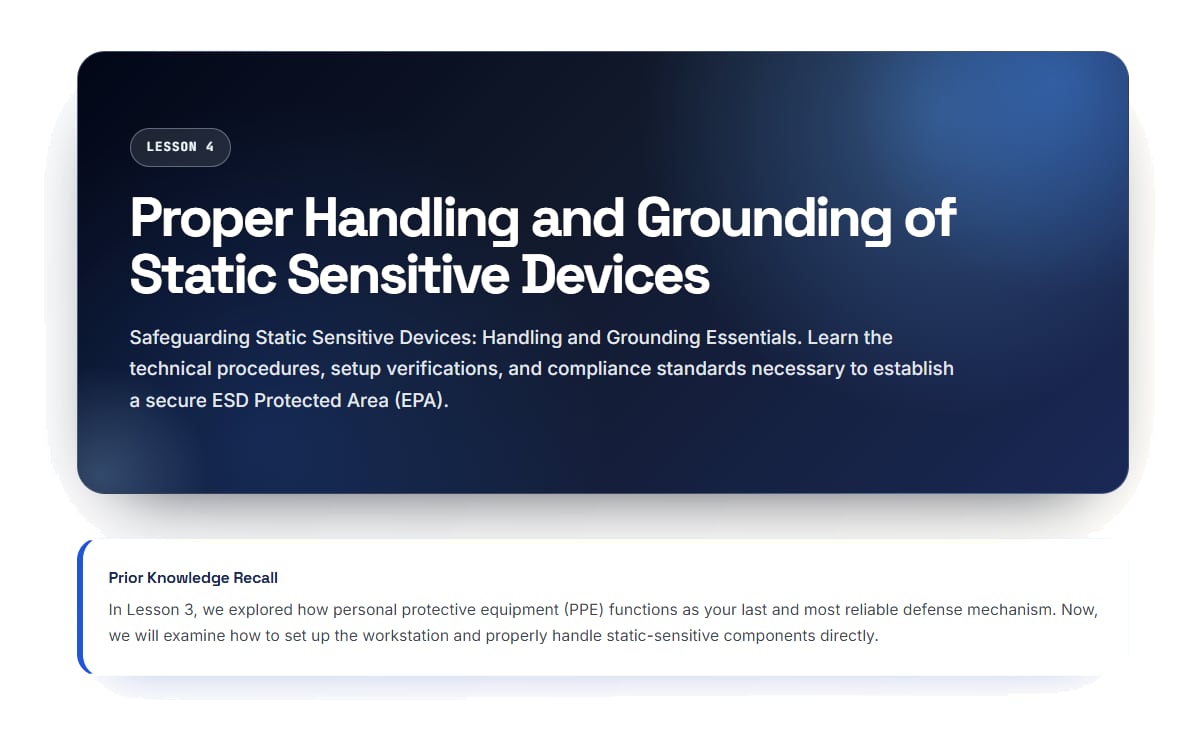
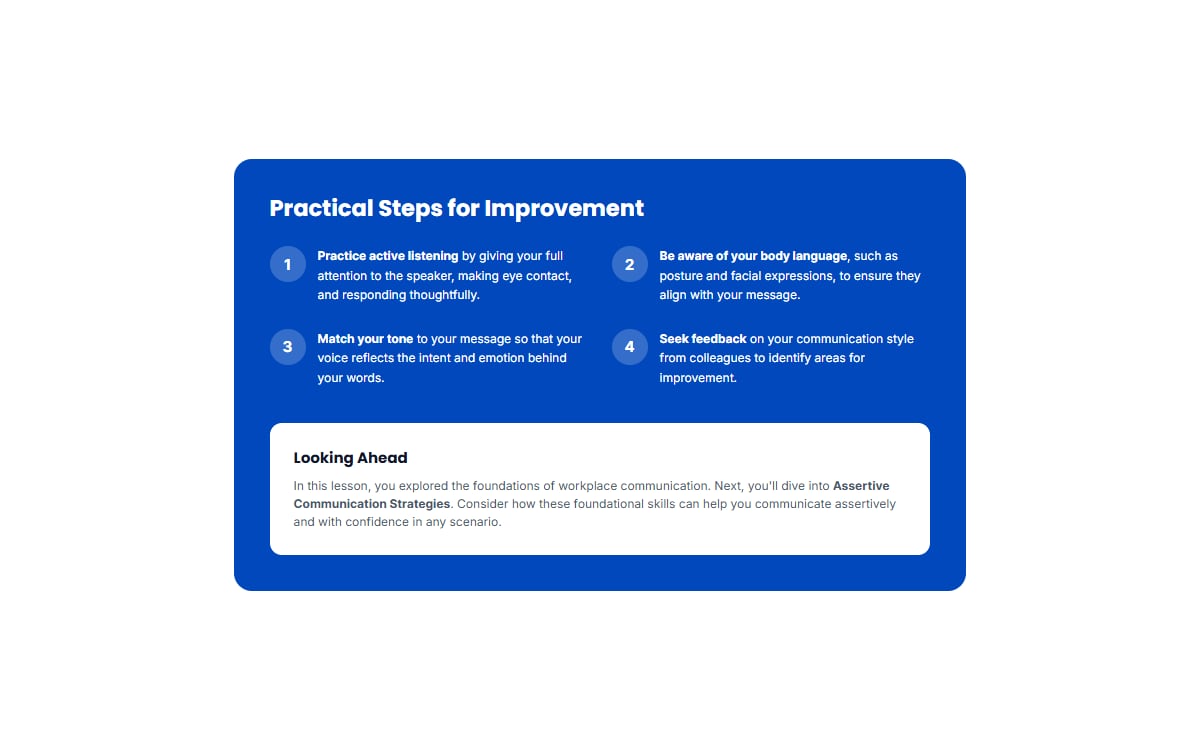
    Each lesson starts by linking back to the last one, then says what comes next.

  4. Event 04

    Present the content

    Show new content in small, clear pieces.

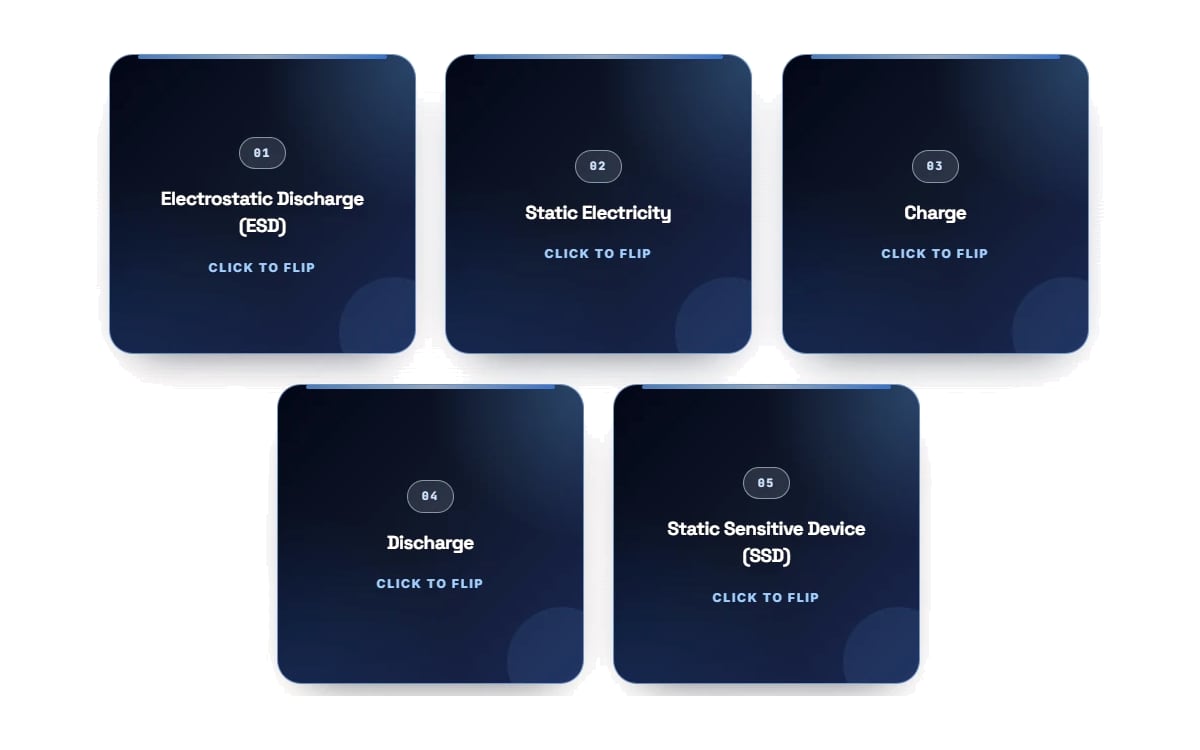
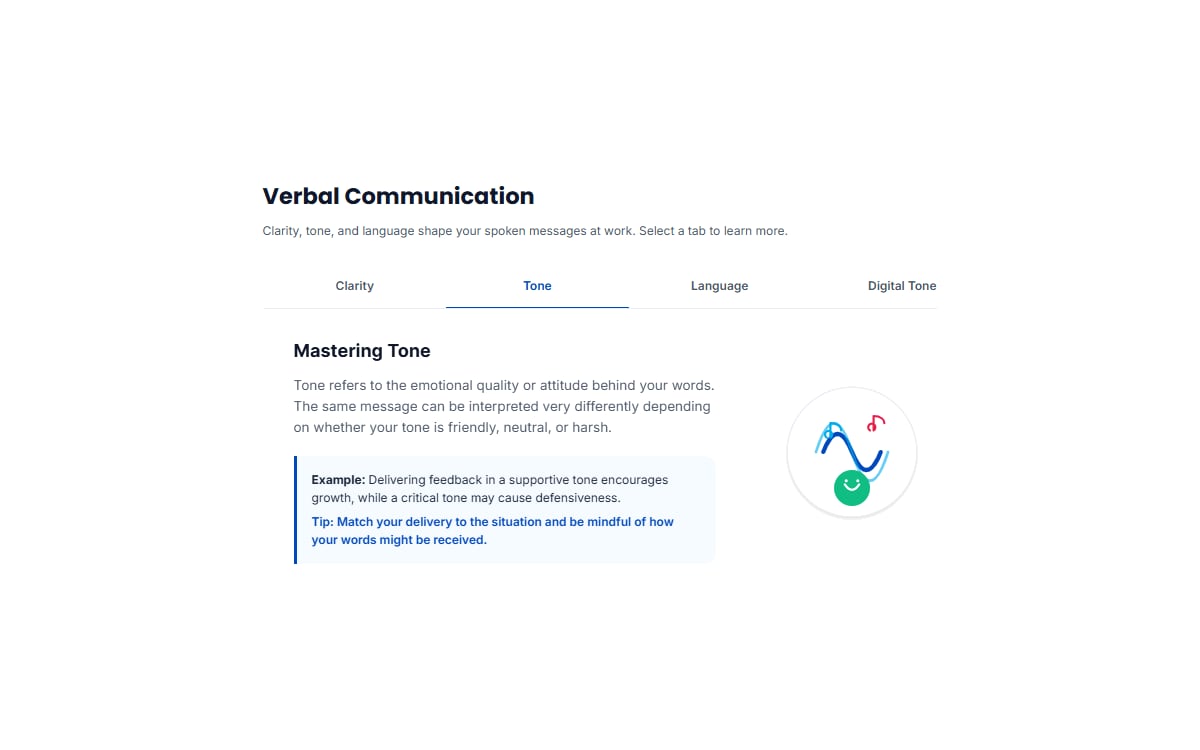
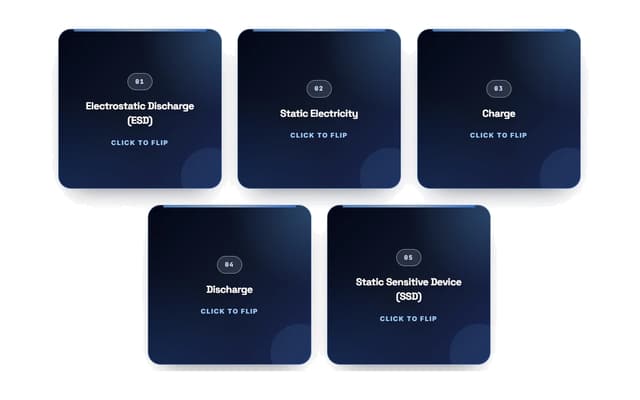
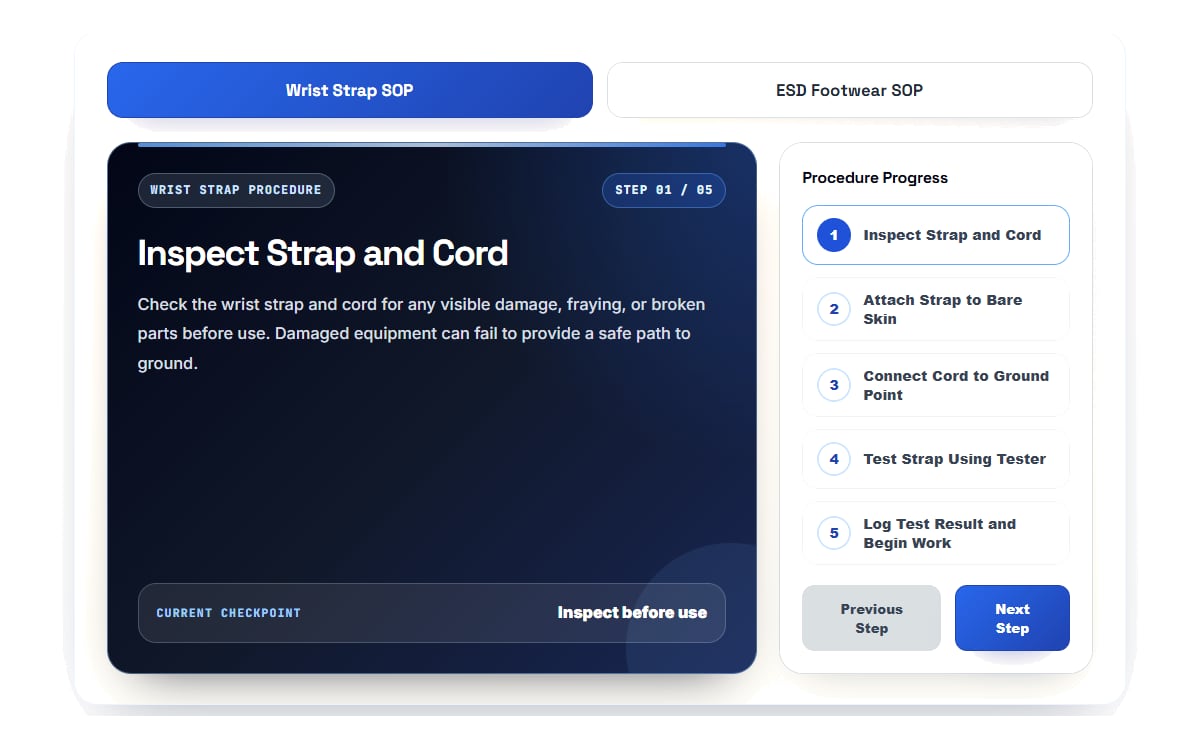
    Flashcards for key terms, tabs and side-by-side cards, so learners take in one idea at a time.

  5. Event 05

    Provide learning guidance

    Help learners understand with examples and structure.

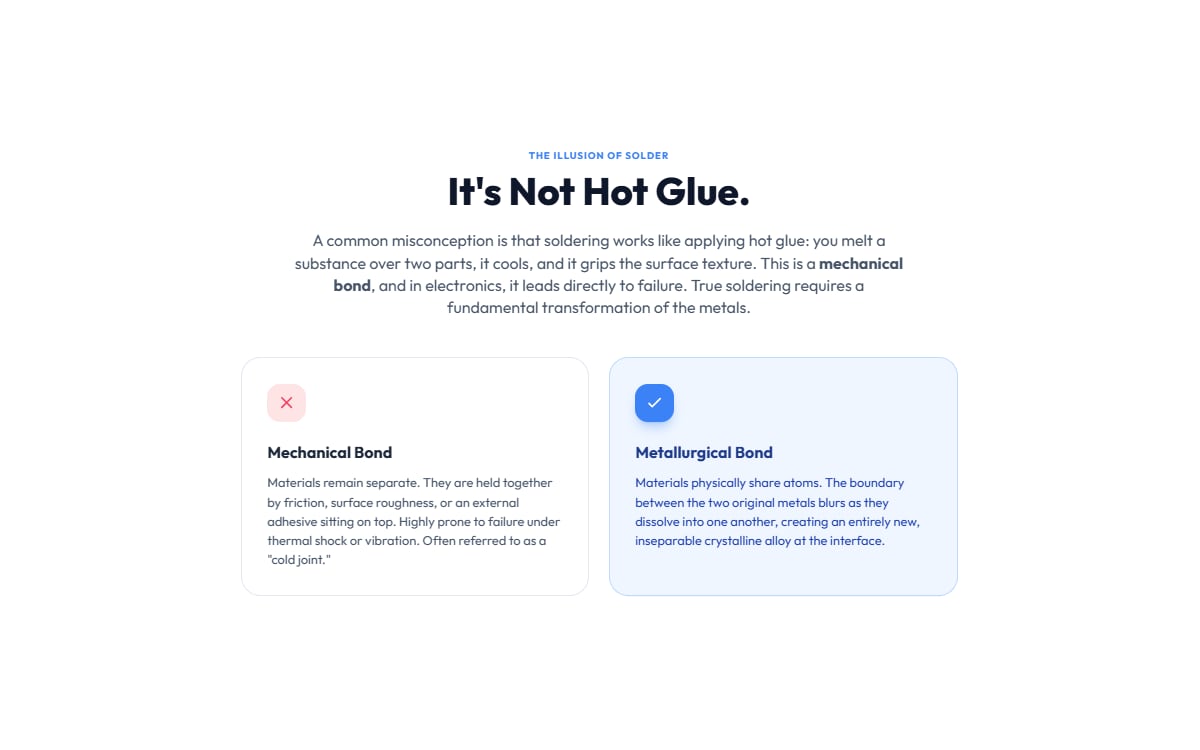
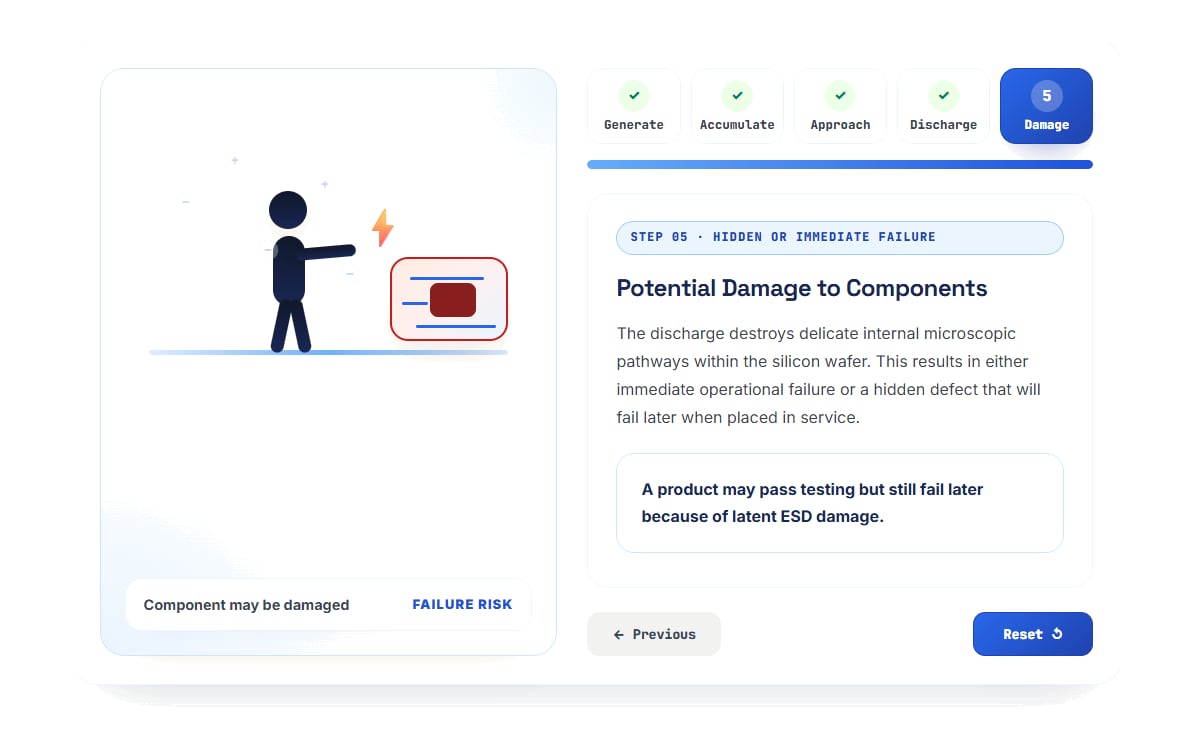
    Step-by-step walkthroughs of real situations and clear side-by-side comparisons of the right and wrong way.

  6. Event 06

    Elicit performance

    Let learners try it themselves.

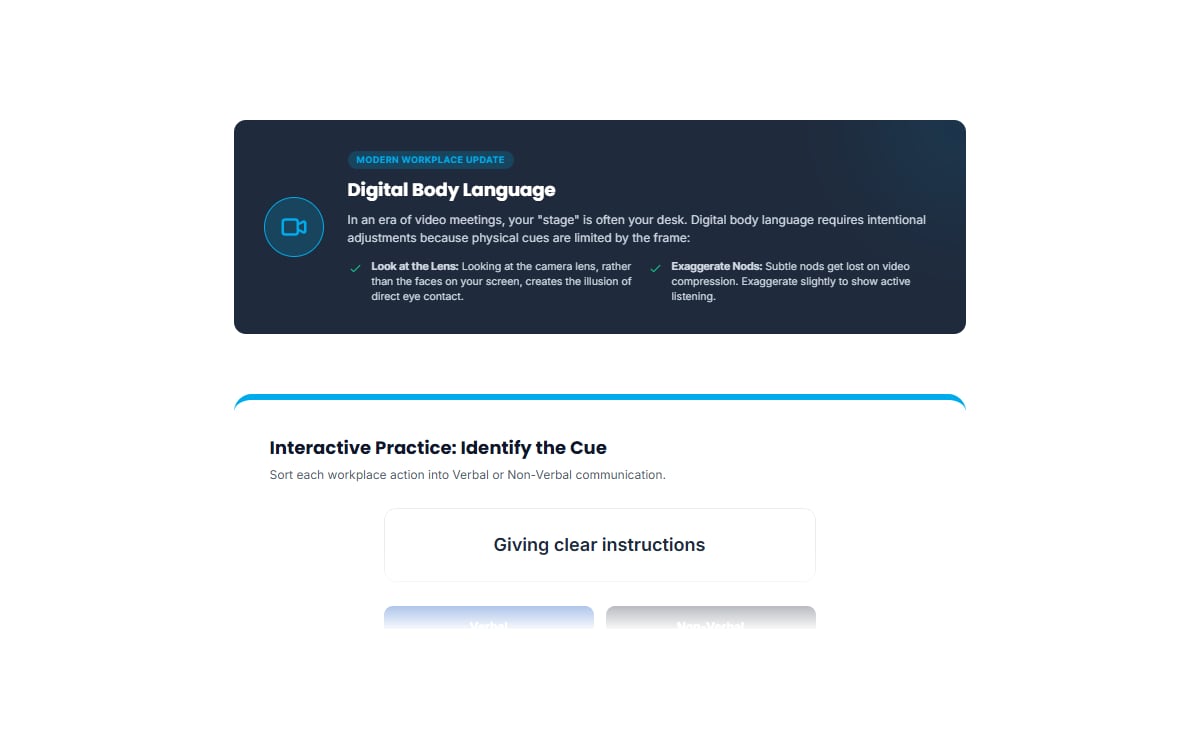
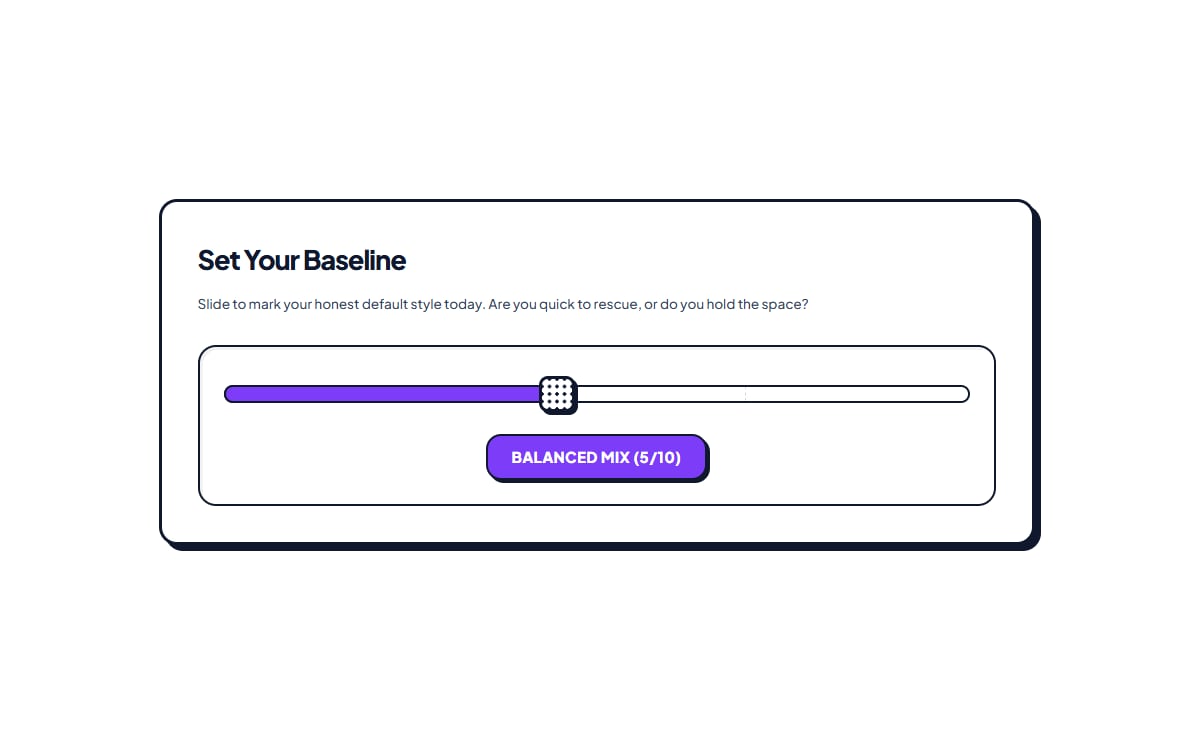
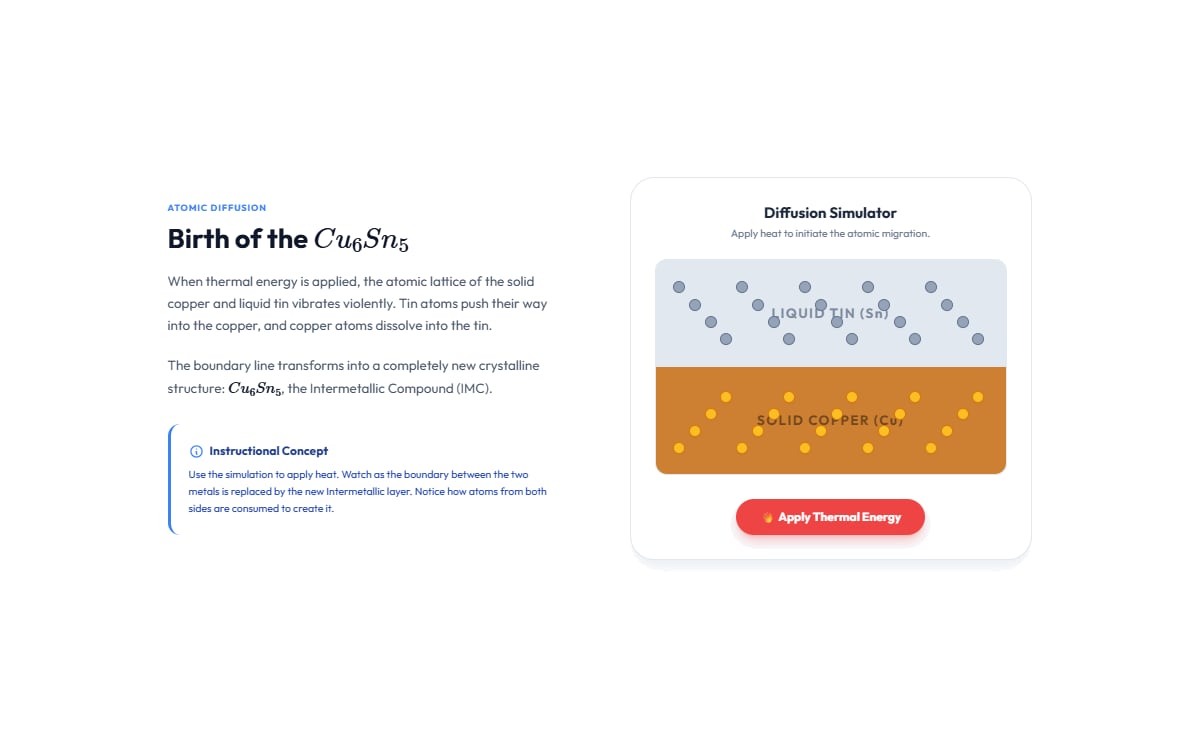
    A simulator, a sorting task and a self-rating slider, so learners act instead of only reading.

  7. Event 07

    Provide feedback

    Tell learners how they did, and why.

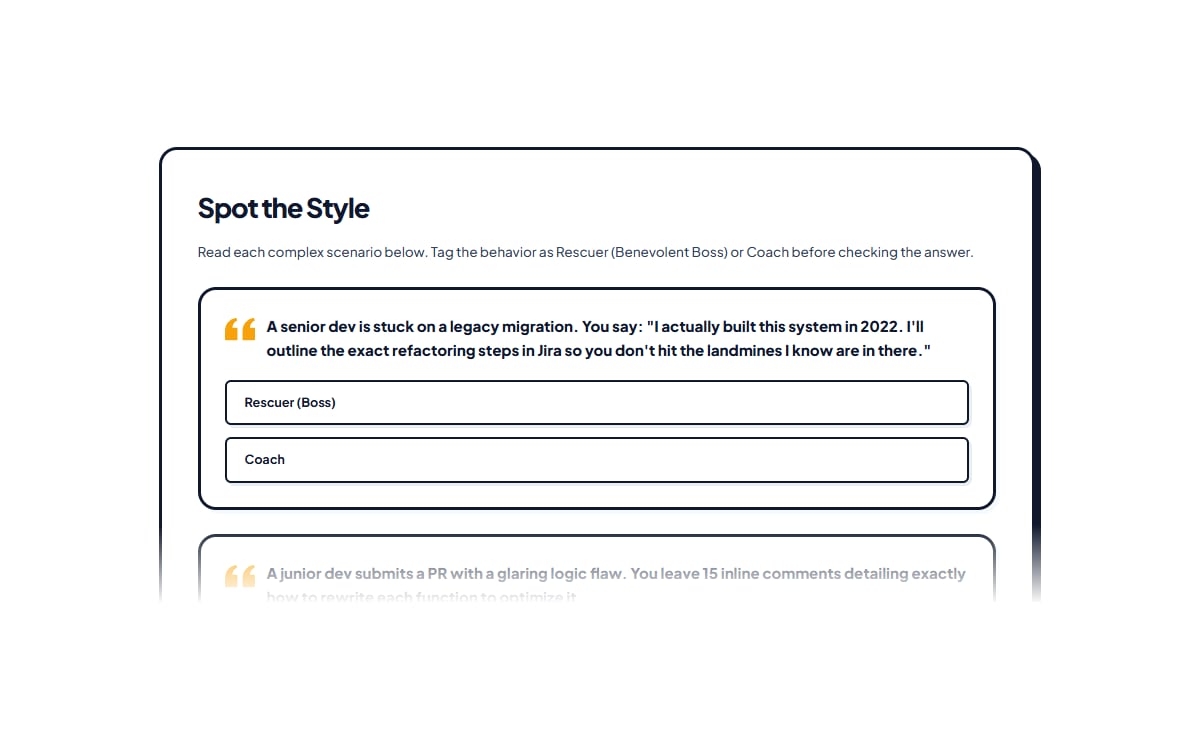
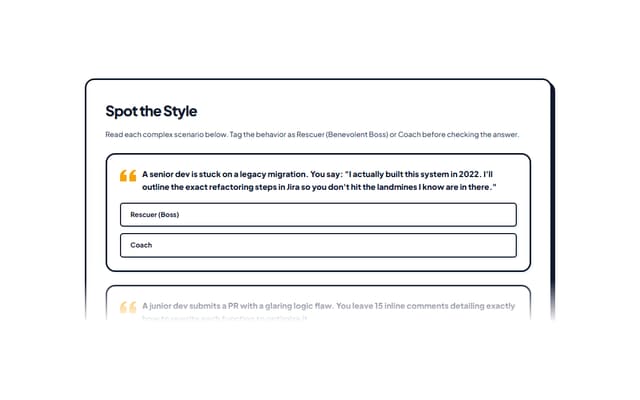
    Learners tag real workplace scenarios, then check their answer and the reason behind it.

  8. Event 08

    Assess performance

    Check that the learning stuck.

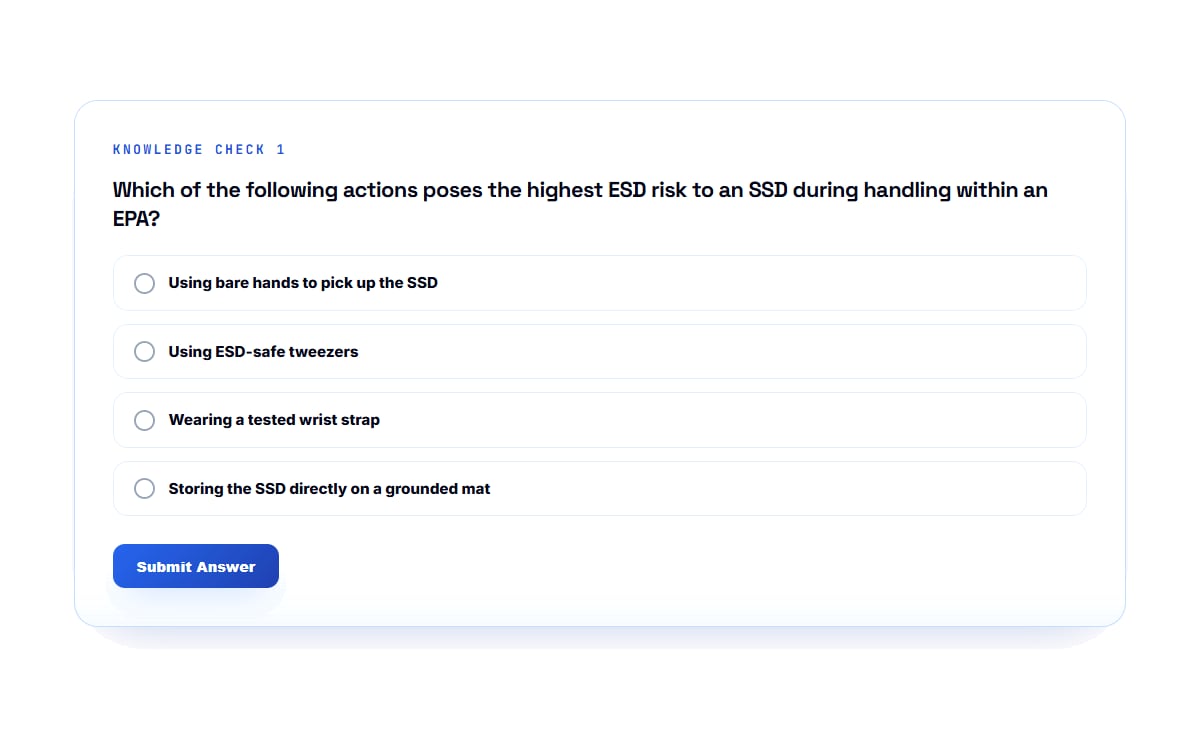
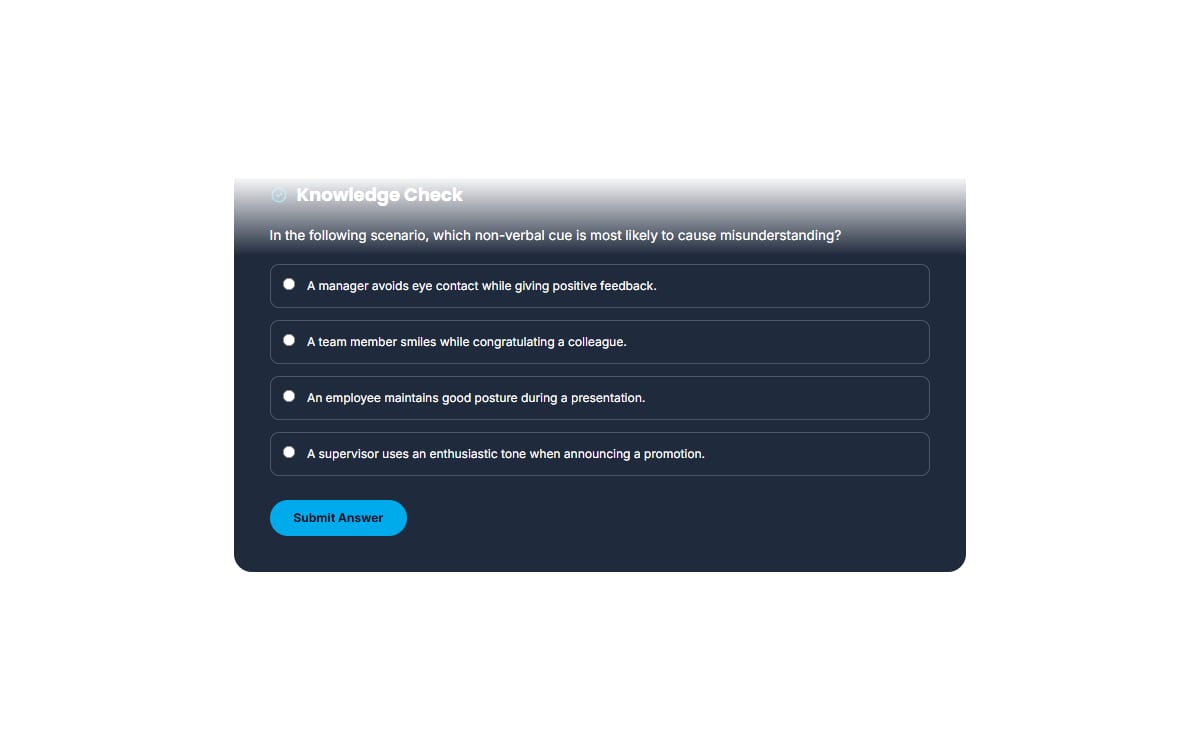
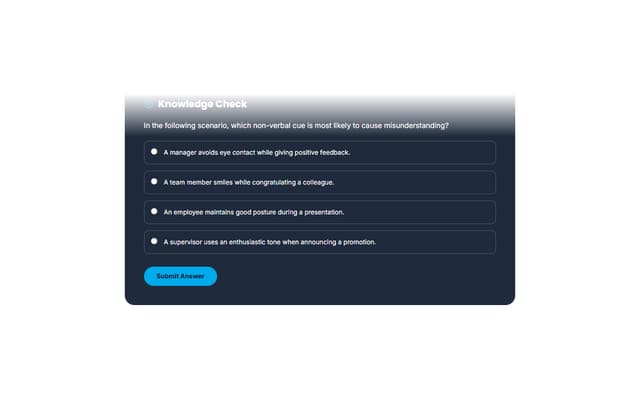
    Knowledge checks with realistic choices close each section.

  9. Event 09

    Enhance retention and transfer

    Help learners use it on the job.

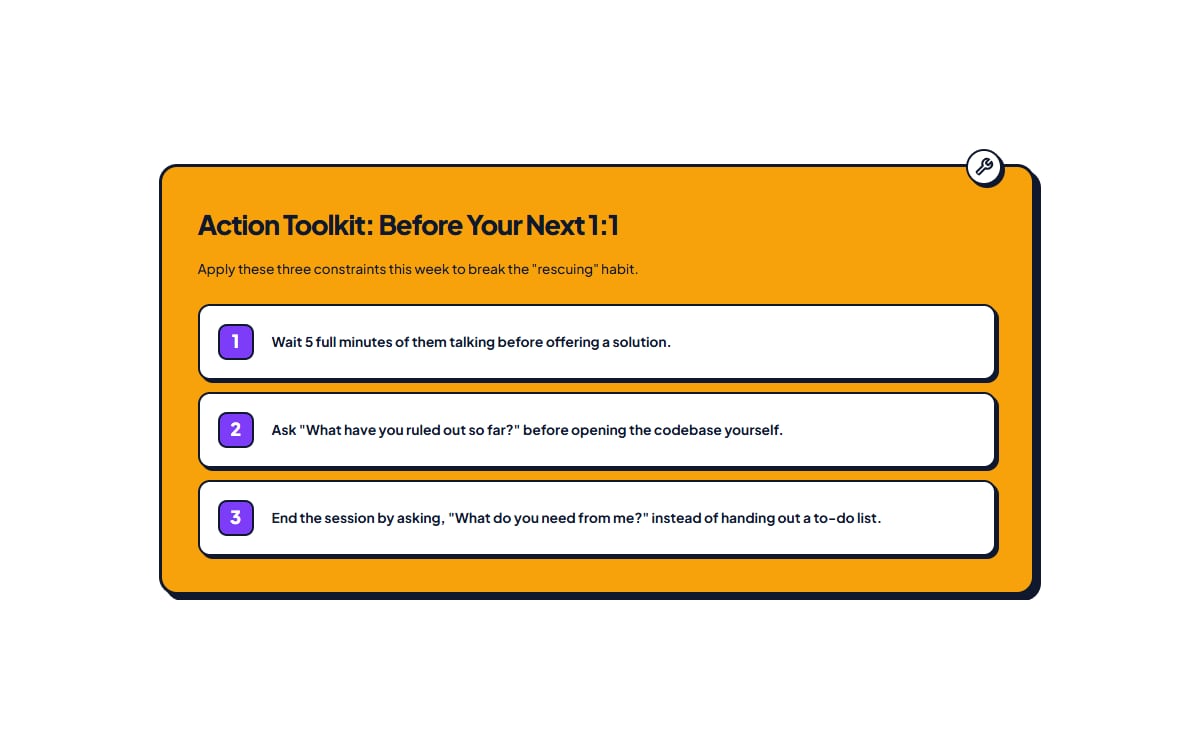
    Practical steps, a reflection question and an action list to try at work that same week.

The result

Full, interactive courses in a fraction of the time, with the teaching built in from the start.

2–3 weeks → 2–5 daysbuild time per course
9 of 9Gagné events in every lesson
25courses in 2 months, with no extra hires
Back to all work

Platform ownership

Platforms Managed

Beyond single courses, I plan, build and run the learning platforms themselves, for university students, partner companies and 2,000+ learners.

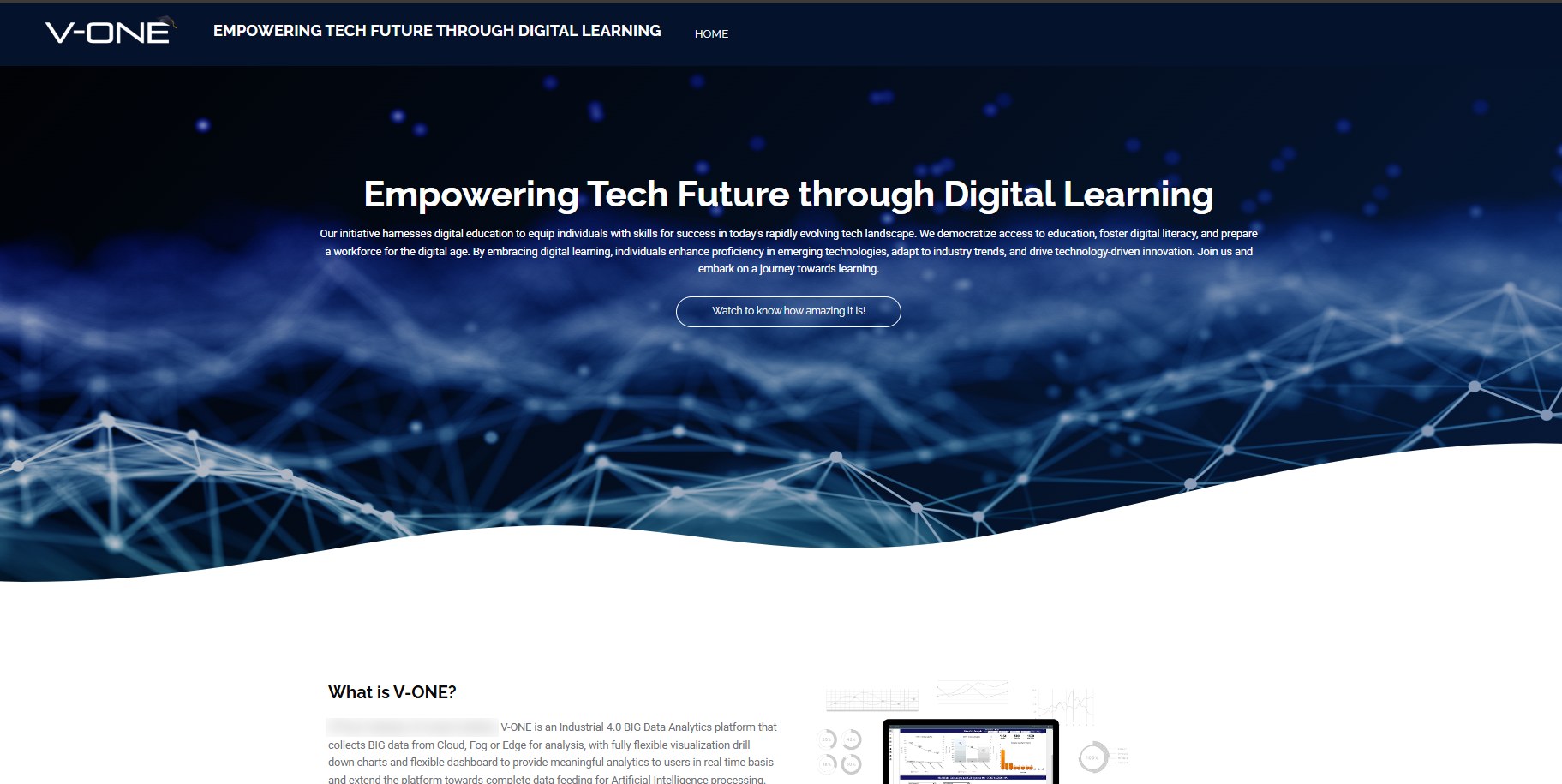
V-ONE Digital Platform home page: Empowering Tech Future through Digital Learning

Content & Platform Lead

V-ONE Digital Learning Platform

Industry 4.0 training · university students and partner companies · 2024

  • I led content production and platform build for an Industry 4.0 training platform, planning the video structure, standards and learning path, assigning tasks to the team and reviewing all content before launch.
  • I designed and set up the Moodle platform and produced 45 course videos in English and Malay with a colleague, from script review and voice recording to filming and upload.
45course videos
2languages
~100learners reached
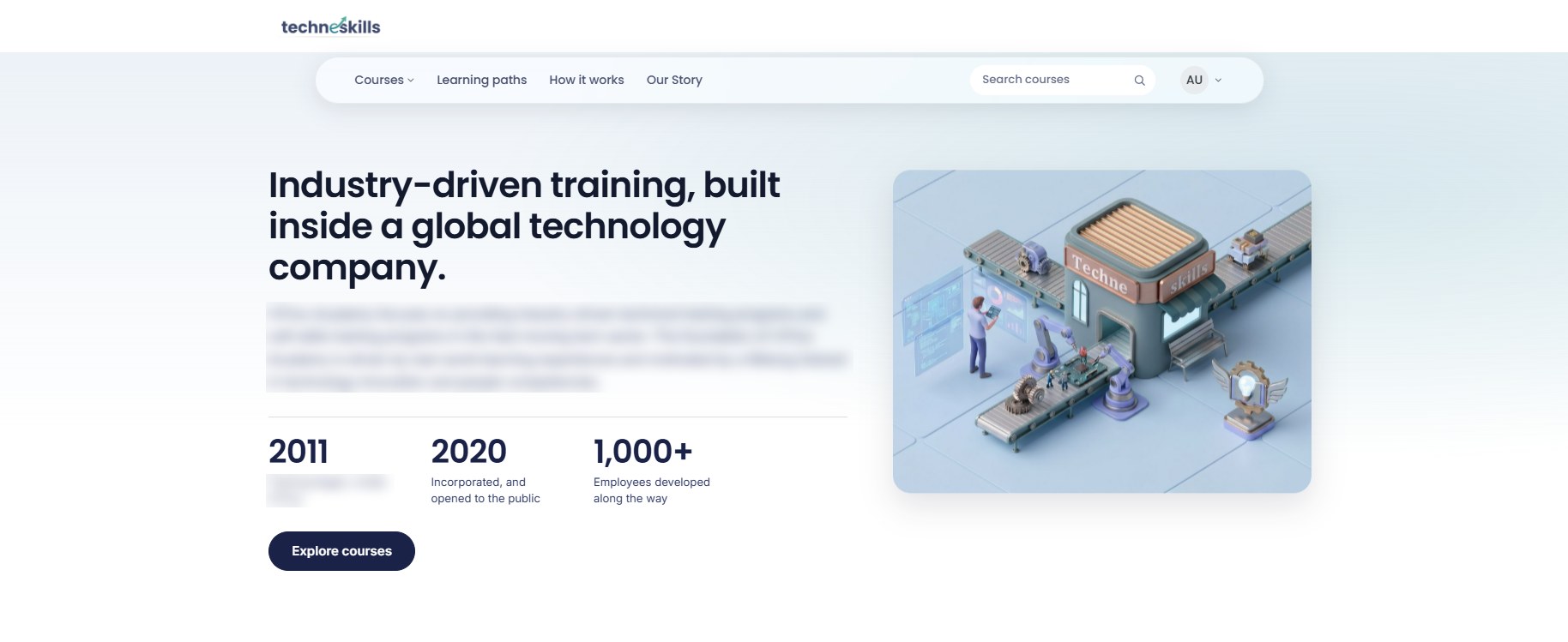
TechneSkills home page: industry-driven training

Designer & Builder

TechneSkills

Partner companies · launched 2026

  • I owned the Moodle-based learning platform for partner companies end to end, from platform design, course setup and customization to enrollments and progress tracking, creating a new channel to train partners and offer courses outside the company.
  • I designed and published 30+ courses independently, from outline to launch.
1person, end to end
30+courses published
Newtraining channel
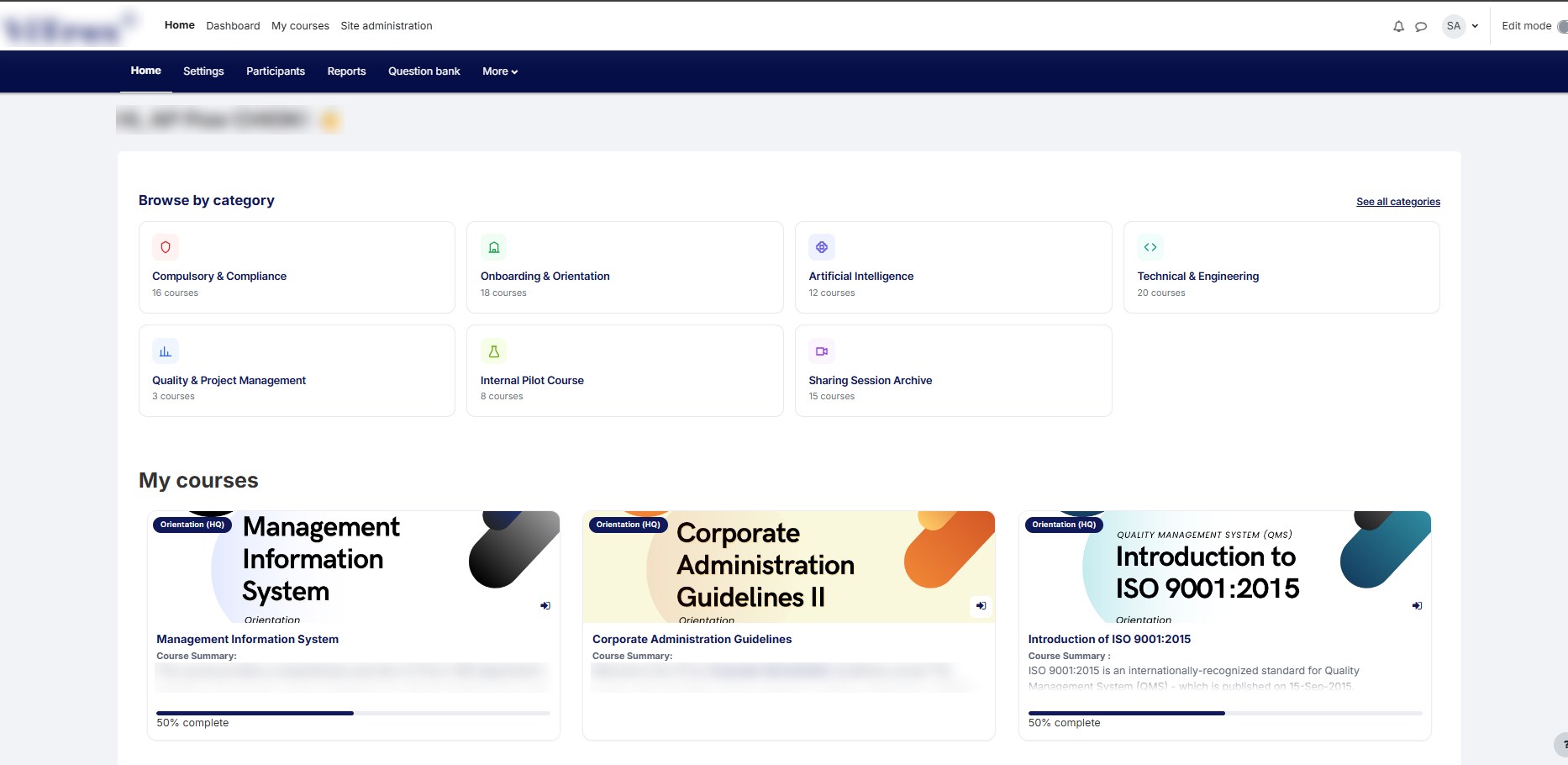
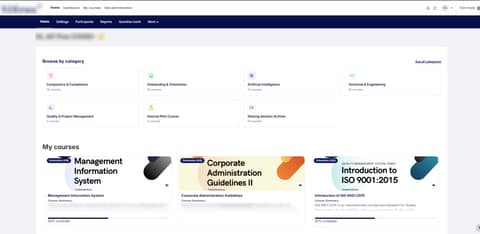
Company learning management system dashboard with course cards

Designer & Administrator

Internal Learning Platform

Learners in Malaysia and overseas · built in 2023

  • I built the company's Moodle-based learning platform from scratch and ran it for 2,000+ learners in Malaysia and overseas, from platform design, course setup and customization with HTML, CSS and JavaScript to enrollments and progress tracking.
  • I started by redesigning e-orientation from video-only lessons into interactive Rise 360 courses; as a result, course requests grew and the platform expanded to around 100 internal courses.
2,000+learners
~100internal courses
2023built from scratch